The Future of Birthright Citizenship and Its Impact on Education
In the United States, birthright citizenship has long been a fundamental principle, enshrined in the 14th Amendment since 1868. This constitutional right, reaffirmed by the Supreme Court over a century ago, grants citizenship to any child born on U.S. soil. However, this could change as the Supreme Court is set to hear a pivotal case, Trump v. Barbara, which may redefine or even end the birthright citizenship as it currently stands.
The Trump administration has raised concerns over the broad application of this right, highlighting the influx of children born to non-citizens. President Trump previously stated, “Hundreds of thousands of people are pouring into our country under birthright citizenship, and it wasn’t meant for that reason.” For more on the administration’s stance, visit the White House statement.
Should the Supreme Court rule against this right, it would impact children born on or after February 20, 2025. Projections from the Migration Policy Institute and Penn State suggest this could leave approximately 255,000 U.S.-born children without citizenship each year, totaling 4.8 million by 2045.
Wendy Cervantes, from The Center for Law and Social Policy, emphasizes that “Birthright citizenship is fundamental for child wellbeing,” as it provides all children in the U.S. with equal opportunities from the start.
Impact on Public Education
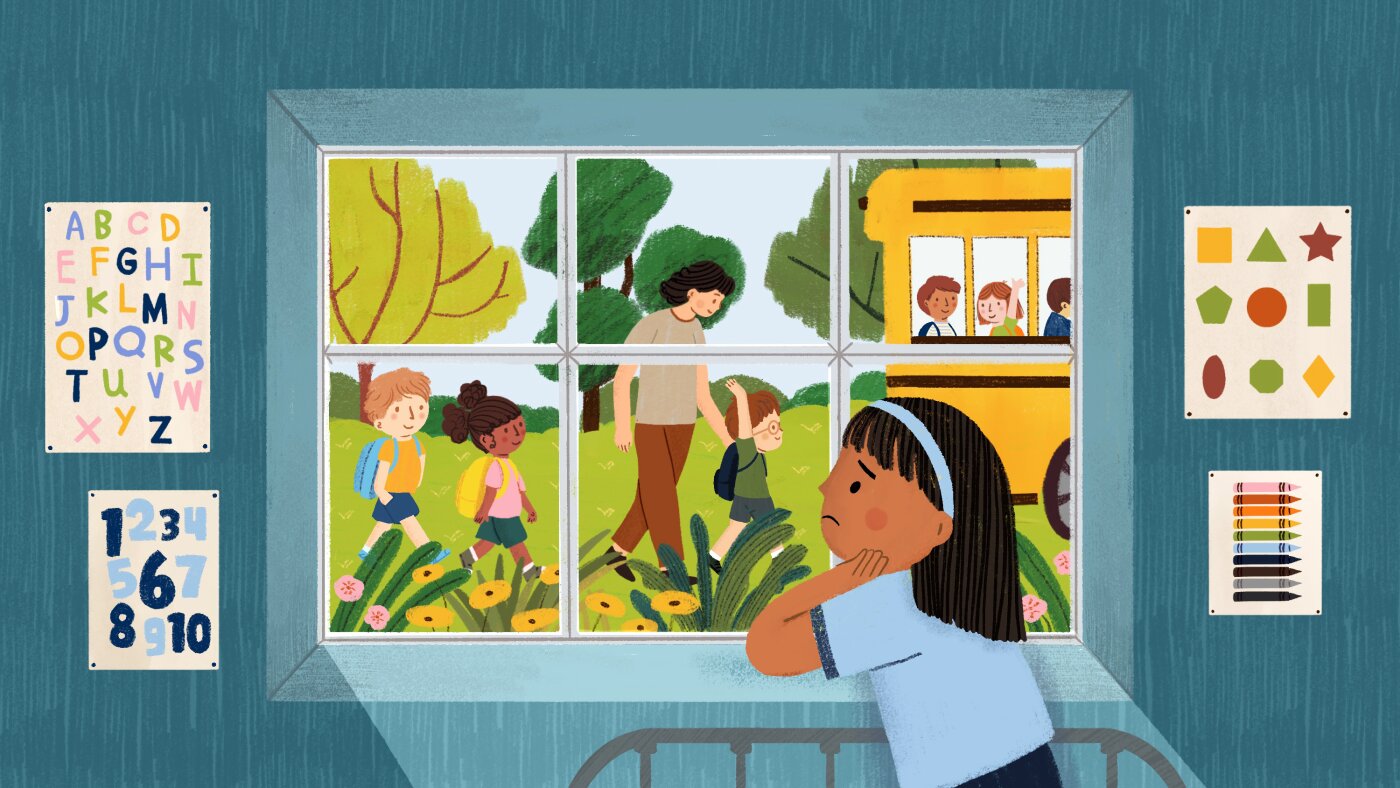
While the right to public education for all children is protected under Plyler v. Doe, the potential rollback of birthright citizenship could complicate access to essential educational services. Public schools are not allowed to deny students based on immigration status, a principle that stems from the 1982 Supreme Court decision which prohibited Texas from charging tuition or denying education to undocumented students.
However, the Plyler ruling is under scrutiny. The Heritage Foundation advocates for challenging this decision, arguing that states spend significant sums on educating undocumented children. For more details, see their report.
Challenges Facing Schools
Immigration enforcement has already affected school attendance, with districts in Minnesota and California experiencing significant increases in absences following federal immigration actions. This trend is concerning, as it threatens the constitutional right of immigrant children to public education, says Alejandra Vázquez Baur from the National Newcomer Network.
Furthermore, the potential end to birthright citizenship could exacerbate this issue, creating fear and anxiety among immigrant communities, as noted by education policy expert Sophia Rodriguez from New York University.
Special Education and Medicaid Funding
Schools serve as a critical access point for identifying disabilities and providing necessary services under the Individuals with Disabilities Education Act (IDEA). However, the elimination of birthright citizenship might limit Medicaid access for U.S.-born children, impacting school budgets which rely on these funds for special education services. Anne Dwyer from Georgetown University warns, “That would create potential, huge cost shifts to districts.”
Higher Education and Financial Aid
While public K-12 education is guaranteed, higher education is not. Students without legal status cannot access federal financial aid, making college unaffordable for many. Caitlin Patler from UC Berkeley highlights the direct link between U.S. citizenship and educational opportunities, impacting long-term economic contributions.
The potential changes to birthright citizenship could have lasting effects, creating a “caste-like status” for millions of children determined by their immigration status rather than their potential, Patler warns.