A New Phase in Student Loan Management: Treasury Takes the Helm
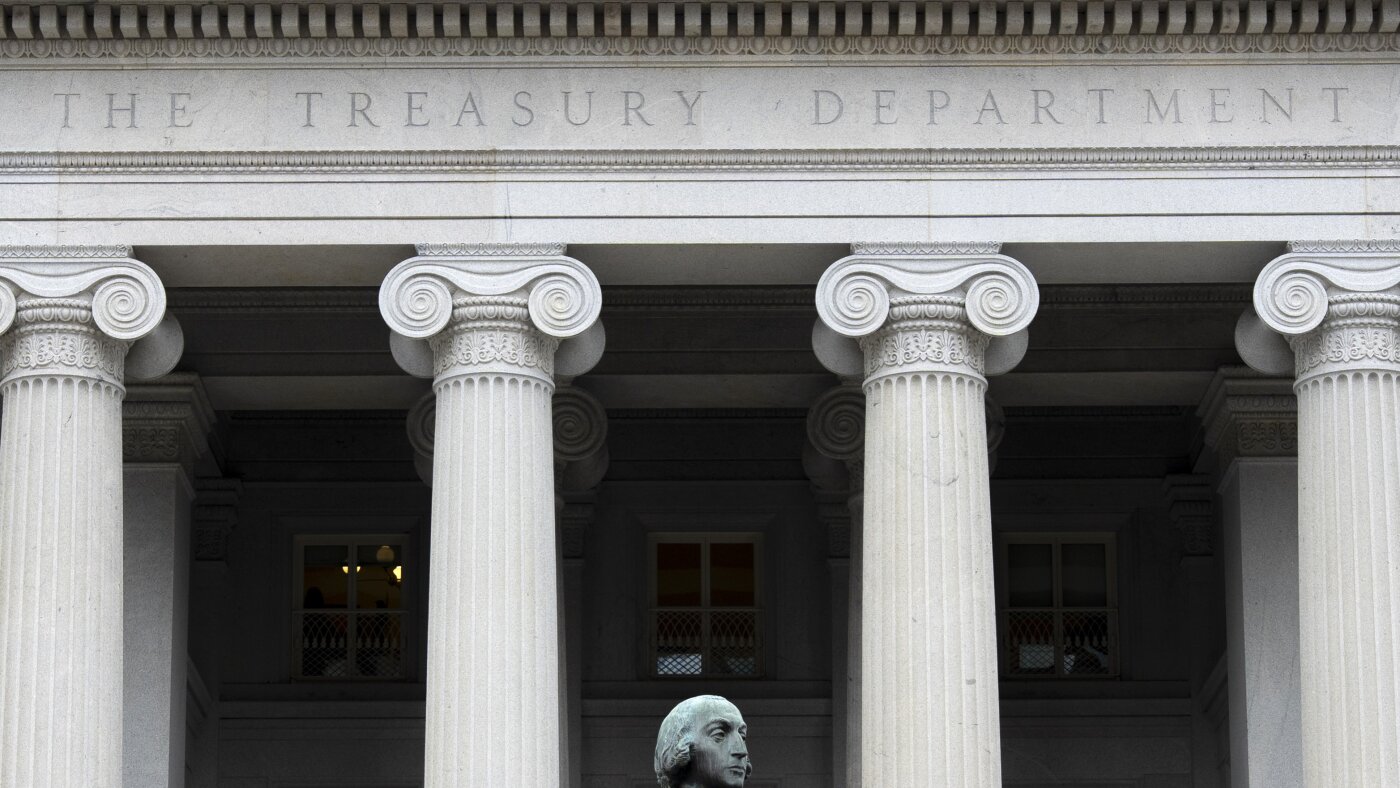
In a significant shift in federal student loan management, the Trump administration announced a plan to transition the oversight of the nation’s student loan portfolio from the U.S. Education Department to the U.S. Treasury Department. This strategic move is seen as both a financial and political maneuver as part of President Trump’s efforts to minimize the role of the Education Department.
The administration believes that the Treasury Department’s financial expertise will better serve the nearly 1.7 trillion dollar student loan portfolio, especially in improving repayment strategies for millions of borrowers in default. Education Secretary Linda McMahon stated, “As the Federal student aid portfolio soars to nearly $1.7 trillion and with nearly a quarter of student loan borrowers in default, Americans know that the Department of Education has failed to effectively manage and deliver these critical programs.”
Initially, the Treasury will reclaim its authority over defaulted student loans, a role it has previously deferred to the Education Department. As of early March, 9.2 million borrowers were in default, with an additional 2.4 million facing late-stage delinquency.
The transition will happen in three phases. The first phase involves the Treasury resuming control of defaulted loan collections. In the second phase, Treasury will expand its management to include servicing non-defaulted loans, contingent upon a successful assessment of the portfolio.
The third phase will see the Treasury assume responsibilities related to the Free Application for Federal Student Aid (FAFSA), a critical component of federal financial aid applications. The Treasury already assists with income verification for FAFSA, streamlining the application process for many families.
Previously, there was speculation about transferring student loan management to the Small Business Administration. However, the administration has now settled on the Treasury Department as the most suitable entity for this transition.
This plan marks the 10th interagency agreement under the current administration, redistributing the Education Department’s responsibilities across various agencies. However, some critics, including Rachel Gittleman, president of AFGE Local 252, argue that the move is part of an unlawful dismantling of the Education Department.
Despite these criticisms, a senior Education Department official assured that borrowers should not experience any changes in their loan management or repayment processes, emphasizing that the transition should be seamless.