Department of Energy to Relocate to Former Education Department Headquarters
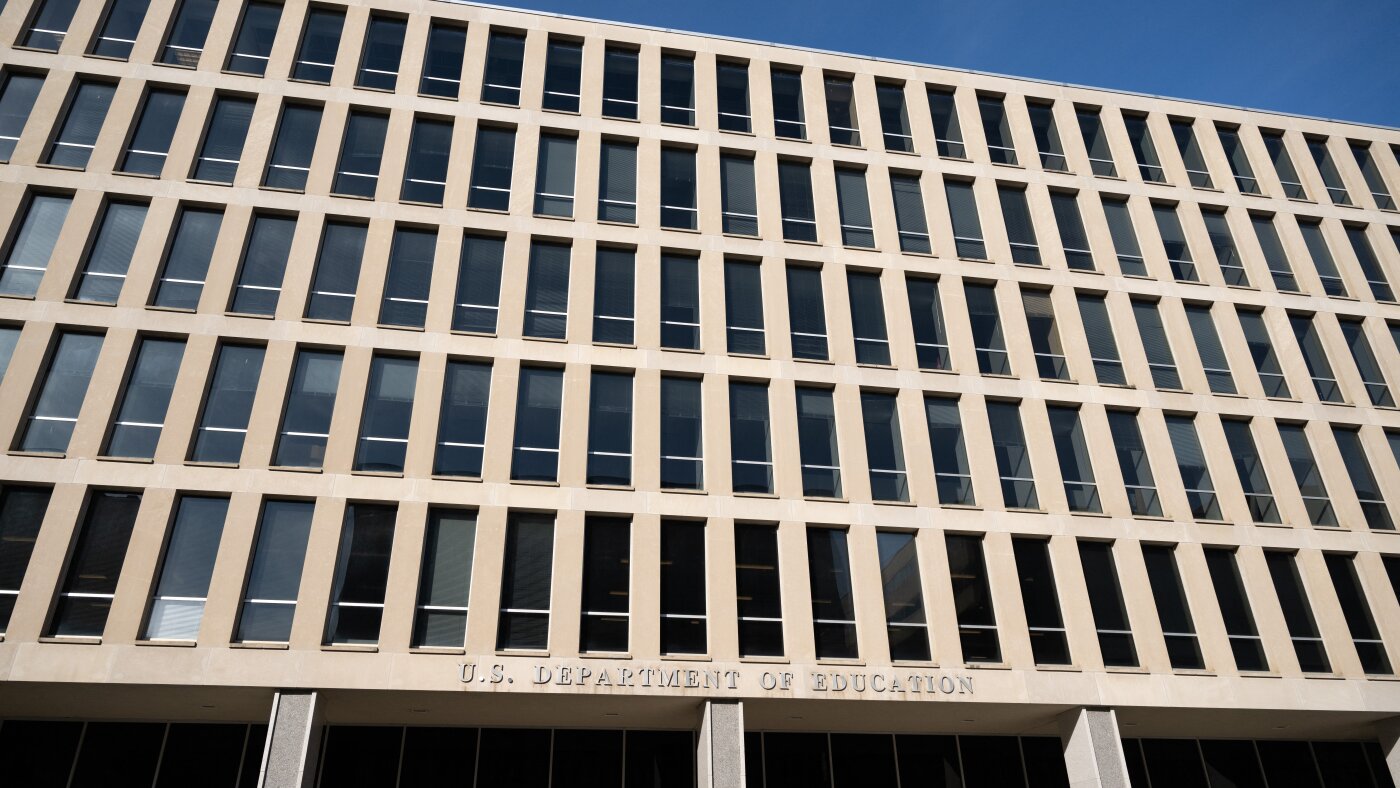
In a significant reshuffle initiated by the Trump administration, the U.S. Department of Education is set to vacate its long-standing headquarters in Washington D.C.’s Lyndon B. Johnson building. This move is part of a broader strategy to downsize the federal education department’s presence, as the building is reportedly “roughly 70% vacant,” according to administration estimates.
Education Secretary Linda McMahon expressed satisfaction with the transition, stating, “Thanks to the hard work of so many, we have made unprecedented progress in reducing the federal education footprint, and now we are pleased to give this building to an agency that will benefit far more from its space than the Department of Education.”
The building’s new occupant, the Department of Energy, will move from its current location in the James V. Forrestal building, which the administration describes as “outdated.” The transition aims to save over $350 million in deferred maintenance costs, as outlined in a press release.
Meanwhile, Education Department employees will relocate to a smaller office on 500 D Street SW, just a block from their former headquarters, this coming August.
This decision has faced criticism from Democrats. Rep. Bobby Scott, a Virginia Democrat and ranking member of the House education committee, argued, “Leaving the Lyndon B. Johnson headquarters building does not cut bureaucracy — it rearranges it. This decision to close the Department’s physical building is not just a symbolic move — it reflects a broader effort to reduce the federal government’s role in ensuring people have equal access to a quality education.”
In an email obtained by NPR, McMahon referred to the move as a “critical step in returning education to the states,” aligning with President Trump’s goal to eventually dismantle the Education Department. Over the past year, McMahon has reduced the department’s workforce by nearly half to 2,300 employees, and has struck 10 agreements to transfer some of the department’s responsibilities to other federal agencies.
One of the most notable agreements involves shifting the management of the federal student loan program to the Treasury Department. However, a senior official acknowledged that the Treasury cannot fully assume all statutory student loan responsibilities of the Education Department. “Congress is the only entity that can close the Department,” the official added, noting that the department will be reduced as much as legally feasible.
The Lyndon B. Johnson building holds historical significance, as it was during Johnson’s presidency that some of the most impactful federal education policies were enacted, many of which focused on supporting students in poverty.