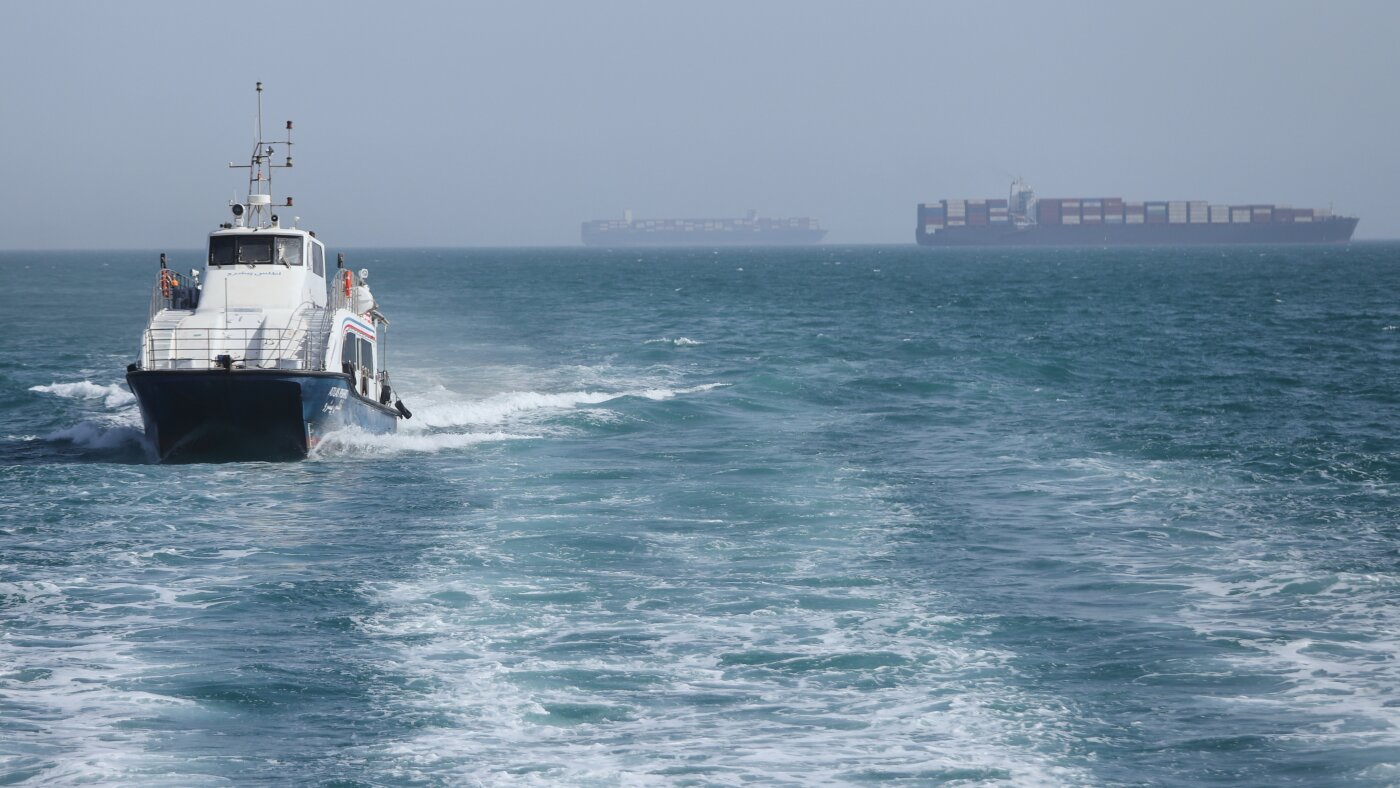
Tensions Rise in the Strait of Hormuz as U.S. and Iran Clash Over Passage Rights
In a dramatic escalation of tensions, the United States military engaged in a confrontation with Iranian forces, resulting in the sinking of six small Iranian boats. This clash comes as the U.S. seeks to reopen the vital Strait of Hormuz, a strategic waterway crucial for global energy supplies. The United Arab Emirates (UAE), a close ally of the U.S., reported being attacked by Iran, marking a significant breach since the ceasefire in early April.
The U.S. military’s actions appear to be a response to Iranian resistance against President Donald Trump’s push to ensure the passage of commercial vessels through the strait. According to the U.S. military, two American-flagged ships successfully navigated the strait on Monday under a new initiative aimed at securing this critical maritime route.
The UAE’s Defense Ministry reported that Iran launched four cruise missiles, with three being intercepted and one falling into the sea. In addition, an Iranian drone attack sparked a fire at an oil facility in Fujairah, injuring three Indian nationals. Meanwhile, the British military noted fires on two cargo vessels off the UAE coast.
U.S. Efforts to Secure the Strait of Hormuz
The U.S. is determined to break Iran’s hold over the strait, which is vital for the global economy. However, these efforts risk reigniting the conflict that began when the U.S. and Israel first struck Iran, leading to the strait’s closure on February 28.
In light of recent attacks, there are concerns about whether shipping companies will risk traversing the strait, given Iran’s history of targeting vessels and its declaration to continue doing so. The U.S. military, led by Adm. Brad Cooper, announced that it has reopened a lane in the strait, free from Iranian mines, and established an “enhanced security area” for safer passage in Omani waters.
Cooper reported that U.S. helicopters destroyed six Iranian boats, stating that “each and every” threat was neutralized, and emphasized that U.S. commanders have full authority to protect commercial shipping. President Trump warned that any Iranian attempts to obstruct the strait would be met with force, describing the U.S. effort as a humanitarian mission to assist stranded seafarers.
Missile Alerts and Rising Tensions in the UAE
The UAE condemned Iran’s actions, labeling them as “renewed treacherous aggression” and calling for an immediate cessation of hostilities. For the first time since the ceasefire began, UAE residents received missile alerts urging them to seek shelter. This escalation has also disrupted air travel, with commercial flights turning back mid-air.
The attacks on Fujairah, a key oil facility outside the strait, represent a significant escalation in the conflict. This emirate hosts crucial oil storage infrastructure and serves as the UAE’s alternative route for oil exports.
Iran’s Firm Stance on the Strait of Hormuz
Iran has reiterated that any foreign military forces, particularly the U.S., attempting to enter or pass through the strait will be targeted. The South Korean government reported an explosion aboard a ship in the strait, although the connection to the burning ships noted by the British remains unclear.
The ongoing disruption of the strait has significant implications for global oil prices, affecting countries in Europe and Asia dependent on Persian Gulf energy supplies. The U.S. has warned shipping companies against paying Iran for passage, emphasizing the potential for sanctions.
Amidst these tensions, the U.S. has enforced a naval blockade on Iranian ports, impacting Tehran’s oil revenues. This blockade is seen as a strategy to pressure Iran into concessions on its nuclear program and other disputed issues.
Stalled Negotiations Amid Rising Conflict
Iran’s proposal to end the conflict includes lifting U.S. sanctions, ending the blockade, and withdrawing military forces. However, the U.S. has expressed skepticism about the potential for a diplomatic resolution, given the ongoing hostilities and complex demands.
Iran insists that its proposal does not address its nuclear program, which remains a contentious issue with the U.S. and Israel. Both parties appear entrenched, with little progress toward a resolution, raising the specter of prolonged conflict in the region.