Camp Mystic Faces Bankruptcy Amid Legal Challenges Following Tragic Flood
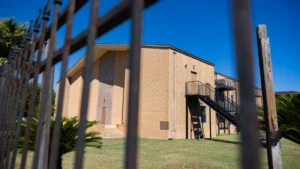
In a bid to navigate through financial turmoil, Camp Mystic, a Christian summer camp for girls in Texas, has filed for bankruptcy reorganization. This development comes nearly a year after a devastating flood claimed 28 lives, including 27 children, during last summer’s camp session.
Last July 4, a sudden flood swept through the Texas Hill Country, leading to the tragic drowning of 25 campers and two counselors at Camp Mystic. The disaster was part of a larger calamity that affected the region, with over 130 people losing their lives as the Guadalupe River overflowed its banks. In the aftermath, Camp Mystic now finds itself entangled in multiple lawsuits from families alleging negligence.
According to attorney Sam Taylor, who represents some of the families, the camp’s Chapter 11 bankruptcy filing complicates ongoing litigation. “Nothing related to the litigation can proceed until there’s a further order of the bankruptcy court,” Taylor stated, highlighting the legal limbo now faced by five lawsuits against the camp.
Under Chapter 11 bankruptcy, businesses can continue operations while reorganizing finances. However, as Angela Littwin, a bankruptcy law professor at the University of Texas, explains, this often results in lawsuits being settled within the bankruptcy process. “The most common outcome is that the lawsuits would not pick up, that they would be settled in the bankruptcy, and then a trust would be imposed, and the families would need to bring their claims against the trust afterwards,” Littwin explained.
Despite the potential for reorganization, Camp Mystic may face significant challenges in reopening. New state safety regulations, insurance difficulties, and public trust issues could hinder future operations. In light of these challenges, the camp decided to cancel its 2026 season, following public outcry over reopening plans.
While Camp Mystic has remained silent post-bankruptcy filing, the families’ attorneys continue to demand accountability. The camp’s fate now hangs in the balance, contingent on court decisions and the camp’s ability to meet new operational challenges.
This article was originally written by www.npr.org