The recent delay of high-stakes peace talks between the United States and Iran has stirred international curiosity and concern. Vice President JD Vance’s postponed trip to Switzerland, intended to negotiate a peace agreement, leaves many wondering about the future of the conflict between these nations.
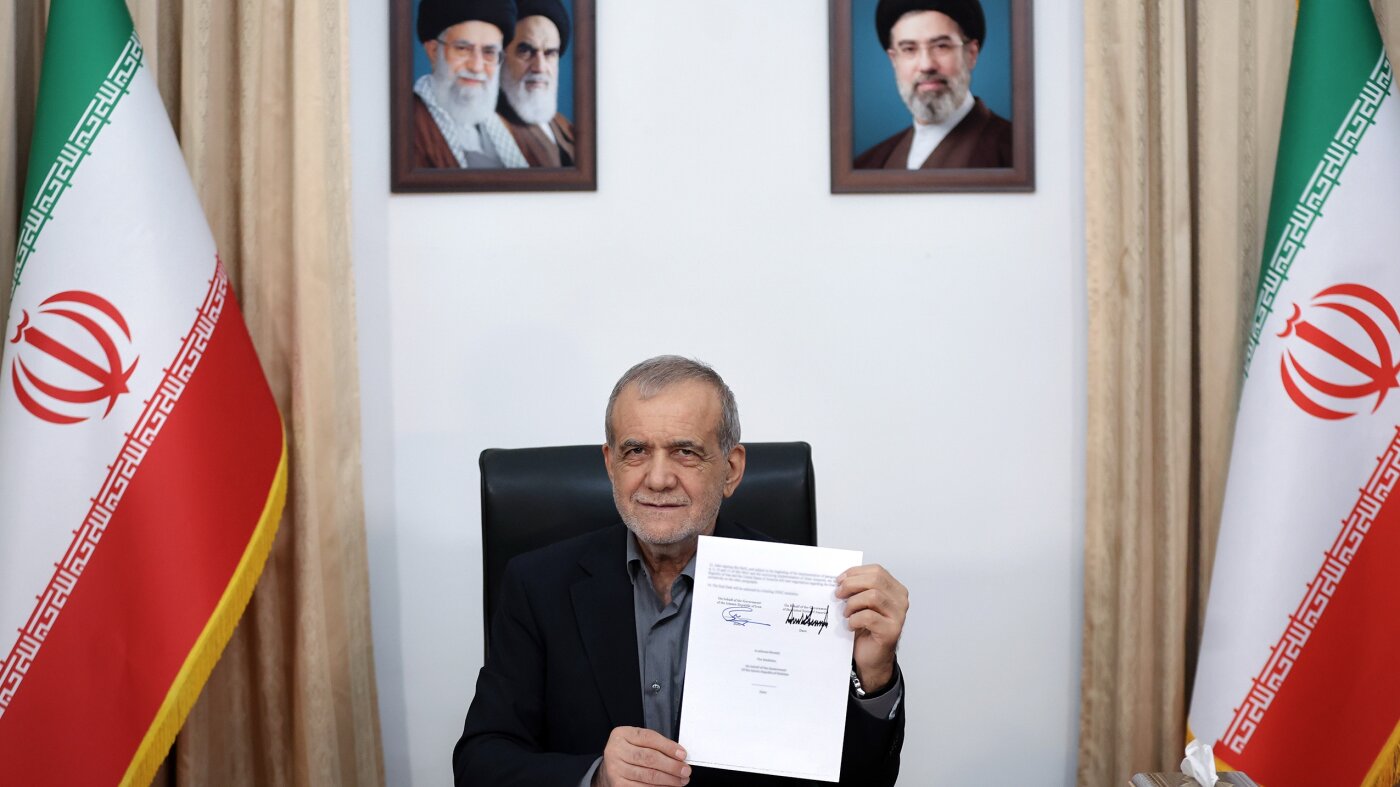
Vice President Vance was set to meet in Lucerne, where journalists had already gathered, but the sudden halt to discussions has cast doubt on the sustainability of the memorandum of understanding signed by President Trump. This agreement aimed to cease military operations and open dialogue for a broader deal.
Meanwhile, tensions remain high as Israel continues to strike Lebanon, even though the agreement advocates for an end to military activities, including those in Lebanon. Reports indicate that overnight attacks resulted in the deaths of at least 18 individuals, while Israel has confirmed the loss of four soldiers in Lebanon.
US Naval Blockade Lifted
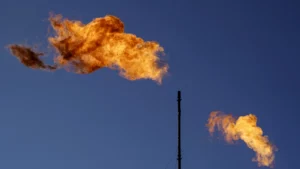
Progress was noted following the agreement, as the United States lifted its naval blockade on Iran. This development is part of the memorandum’s promises, which include reopening the Strait of Hormuz—a critical channel for global oil and gas supplies.
President Trump celebrated this step, stating on Truth Social, “Ships of the World, start your engines. Let the oil flow!” However, he also acknowledged the agreement’s fragility, suggesting a return to military action if Iran fails to meet expectations.
The memorandum provides a 60-day window for both parties to address longstanding hostilities, leaving the core reasons behind the US-Iran conflict unresolved.
Israel’s Opposition to the Deal
Despite the agreement’s intent to end military operations, Israel’s military presence in southern Lebanon persists. Israeli Prime Minister Benjamin Netanyahu insists troops will remain as long as necessary for security, and the recent Israeli military map reveals an expanded occupied area in Lebanon.
Iranian Foreign Minister Abbas Araghchi emphasized that Israel’s withdrawal is crucial for peace, stating, “Without the withdrawal of Israeli forces from the territories they occupied during this war, the war has not fully come to an end.”
Economic Motivations Behind Trump’s Agreement
The agreement’s stipulation to cease military operations includes a promise not to initiate further conflict. This move is seen as an effort to avoid “economic catastrophe,” as President Trump admitted during a news conference.
Iranian media reported that Iran’s national security council will suspend tolls for ships for 60 days, but vessels must secure permission from the newly established Persian Gulf Strait Authority to transit through the Strait of Hormuz.
The memorandum also outlines significant concessions to Iran, including a proposed fund of “at least $300 billion” for reconstruction and economic development, with Gulf Arab nations expected to contribute.
Iran’s Position Post-War
Trump’s initial objective was regime change in Iran, yet the conflict has inadvertently bolstered Iran’s influence, particularly its control over the Strait of Hormuz. This strategic advantage has allowed Iran to secure considerable financial gains.
While critics argue that the agreement grants Iran more than previous deals, Trump’s administration insists that the economic relief provided to Iran is necessary to stabilize global oil prices and prevent further economic fallout.
New negotiations are anticipated, with Iran entering discussions from a strengthened position, demonstrating the leverage they hold over international economic interests.
This article was originally written by www.npr.org