Scrutiny Intensifies on Acting Attorney General Todd Blanche Amid Controversies
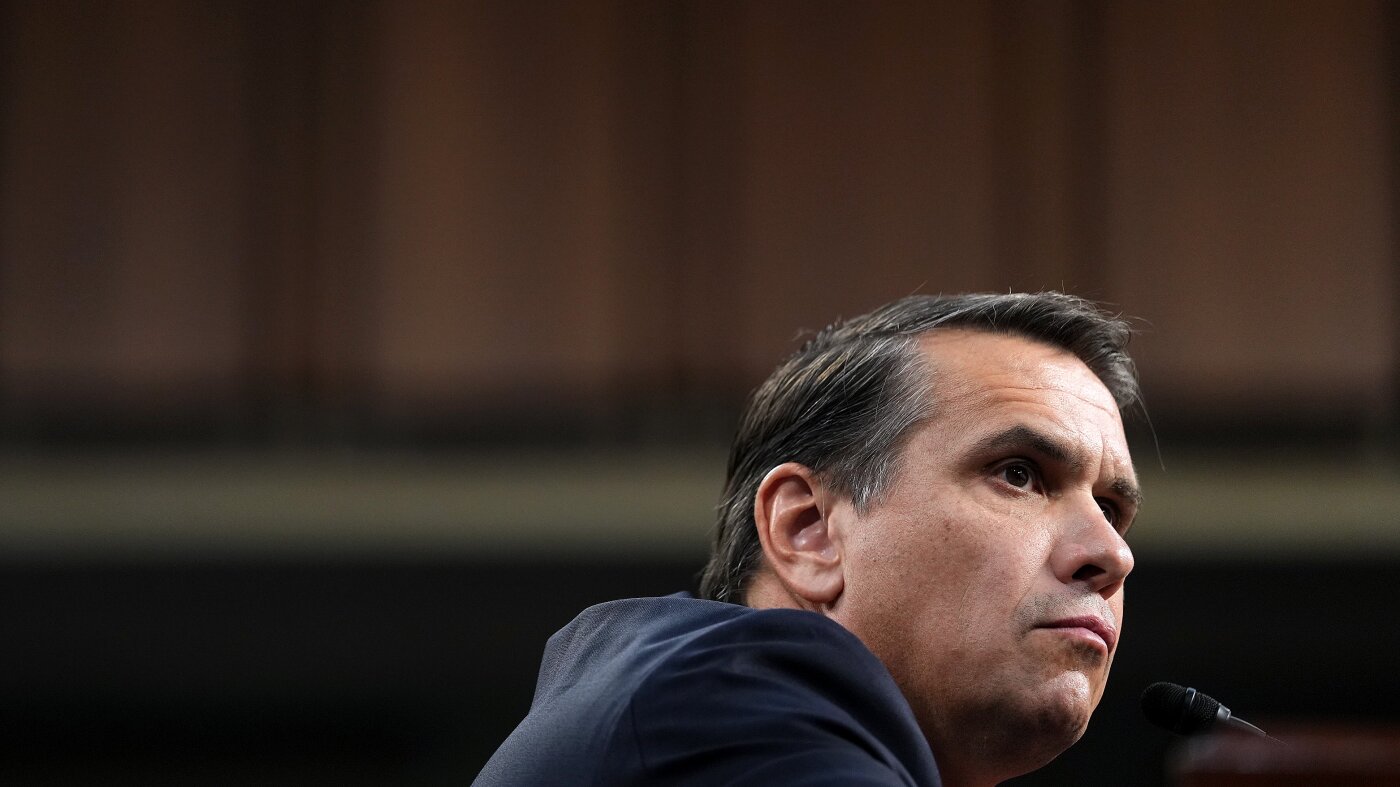
During a recent confirmation hearing, acting Attorney General Todd Blanche navigated a series of challenging questions from both sides of the Senate Judiciary Committee. As the nominee for attorney general under President Trump, Blanche’s responses to the committee could determine his future in the role.
The Controversial Anti-Weaponization Fund
Blanche’s hearing was dominated by discussions surrounding a $1.776 billion “anti-weaponization” fund. Initially set up as part of a settlement to resolve a lawsuit involving Trump’s leaked tax returns, the fund faced significant opposition. Criticism came from both parties, leading Blanche to declare it defunct. However, elements of the settlement still protect Trump and his associates from IRS audits.
A federal judge recently criticized the Department of Justice’s role in this settlement, suggesting it misused the courts to allocate taxpayer money for grievances not defined in law. Blanche, seeking to move past the controversy, downplayed its significance but faced persistent questions on the issue.
Sen. John Cornyn, R-Texas, expressed particular concern, noting that the agreement with Trump remains valid as a contract. Blanche acknowledged this, admitting Trump’s legal team might enforce the agreement, though he hadn’t seen any move to do so.
Allegations of Bias in Favor of Trump
Blanche’s prior role as a personal attorney for Trump raised concerns about his independence in serving the public. In response to Sen. John Kennedy’s question about his relationship with Trump, Blanche identified himself as “his lawyer — was his lawyer. And now I’m the deputy attorney general.”
Democrats, including Sen. Cory Booker, expressed doubts about Blanche’s impartiality, citing his involvement in settlements and prosecutions perceived as politically motivated. Blanche defended his record, emphasizing the Justice Department’s achievements in combating crime and distancing himself from controversial actions like pardons issued for January 6 rioters.
Challenges with the Epstein Case
Blanche and the DOJ continue to face scrutiny over their handling of the Epstein case. Victims sitting behind Blanche during the hearing served as a stark reminder of the ongoing criticism. The DOJ has been faulted for delays and errors in releasing Epstein-related documents, including insufficient redactions of victims’ private information.
Blanche contended that the DOJ has been transparent, but Sen. Dick Durbin countered that legislative pressure was required to ensure document release. Durbin urged Blanche to meet with Epstein’s victims, a request Blanche hesitated to fulfill due to legal representation concerns.
Blanche accepted responsibility for the mishandling of redactions, stating, “Whenever we learned that any victim’s name had been improperly not redacted, we immediately took the document down and fixed it as soon as we could. That doesn’t excuse the mistakes of which I take responsibility, but it does mean that we tried to fix them.”