Fatal ICE Encounters Spark Renewed Calls for Accountability
In a series of troubling incidents, deadly encounters with Immigration and Customs Enforcement (ICE) agents have once again brought attention to the agency’s use of force. This has stirred emotions among families who have suffered similar fates, as the calls for transparency and justice grow louder.
Recent Fatalities Highlight Longstanding Concerns
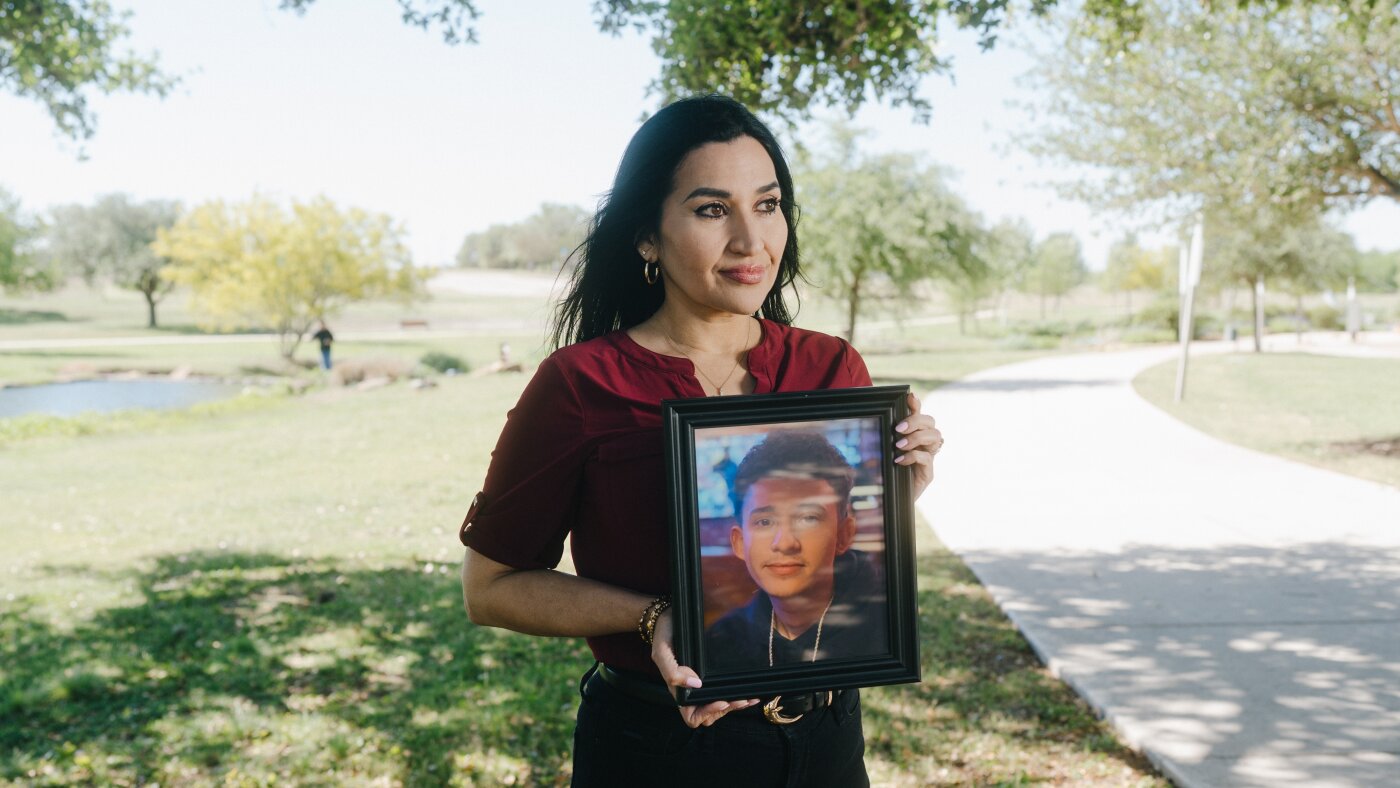
Rachel Reyes was reminded of her own tragedy upon hearing about the deaths of Lorenzo Salgado Araujo and Joan Sebastián Durán Guerrero, both killed by federal immigration agents. Her son, Ruben Ray Martinez, a U.S. citizen, was shot by an ICE agent during a traffic stop in March 2025. “It really breaks my heart for the families because I understand the nightmare they’re going through,” Reyes shared.
The deaths of Martinez, Salgado Araujo, and Durán Guerrero occurred amidst President Trump’s intensified immigration enforcement. According to The Trace, there have been 29 shooting incidents involving immigration agents since Trump’s return to office, with at least seven resulting in fatalities.
Conflicting Accounts and Lack of Transparency
The details surrounding these shootings often involve conflicting narratives. In Martinez’s case, the Department of Homeland Security claimed the driver “intentionally ran over” an officer, prompting another agent to fire. However, body camera videos show Martinez receiving conflicting instructions before slowly moving forward, leaving it unclear whether the vehicle actually hit an agent.
Similar discrepancies are evident in the cases of Salgado Araujo and Durán Guerrero. The federal government has yet to release video evidence supporting their claims that the victims weaponized their vehicles during traffic stops. Notably, the ICE agents involved did not wear body cameras, complicating the investigation.
Legal Hurdles and Ongoing Struggles
Despite the seriousness of these incidents, legal accountability remains elusive. In Martinez’s case, it took 11 months for the Department of Homeland Security to acknowledge involvement. A Texas grand jury ultimately decided against indicting the agent responsible for his death. Rachel Reyes’ attorney, Charles Stam, emphasized the challenges faced by families, particularly those with precarious immigration statuses or without legal representation.
In Minnesota, the path to justice for the families of Renee Macklin Good and Alex Pretti, also killed by federal agents, remains uncertain. Meanwhile, an ICE agent has been charged in a separate nonfatal shooting, highlighting the rare instances of prosecution against federal agents.
Reyes hoped for change with the appointment of Markwayne Mullin as the head of the Department of Homeland Security but remains disheartened by the continued violence. “It shouldn’t be our new normal,” she said. “They’re destroying more families with all this chaos, and it’s not right.”
This article was originally written by www.npr.org