
Student Loan Struggles: A Decade-Long Journey for Relief
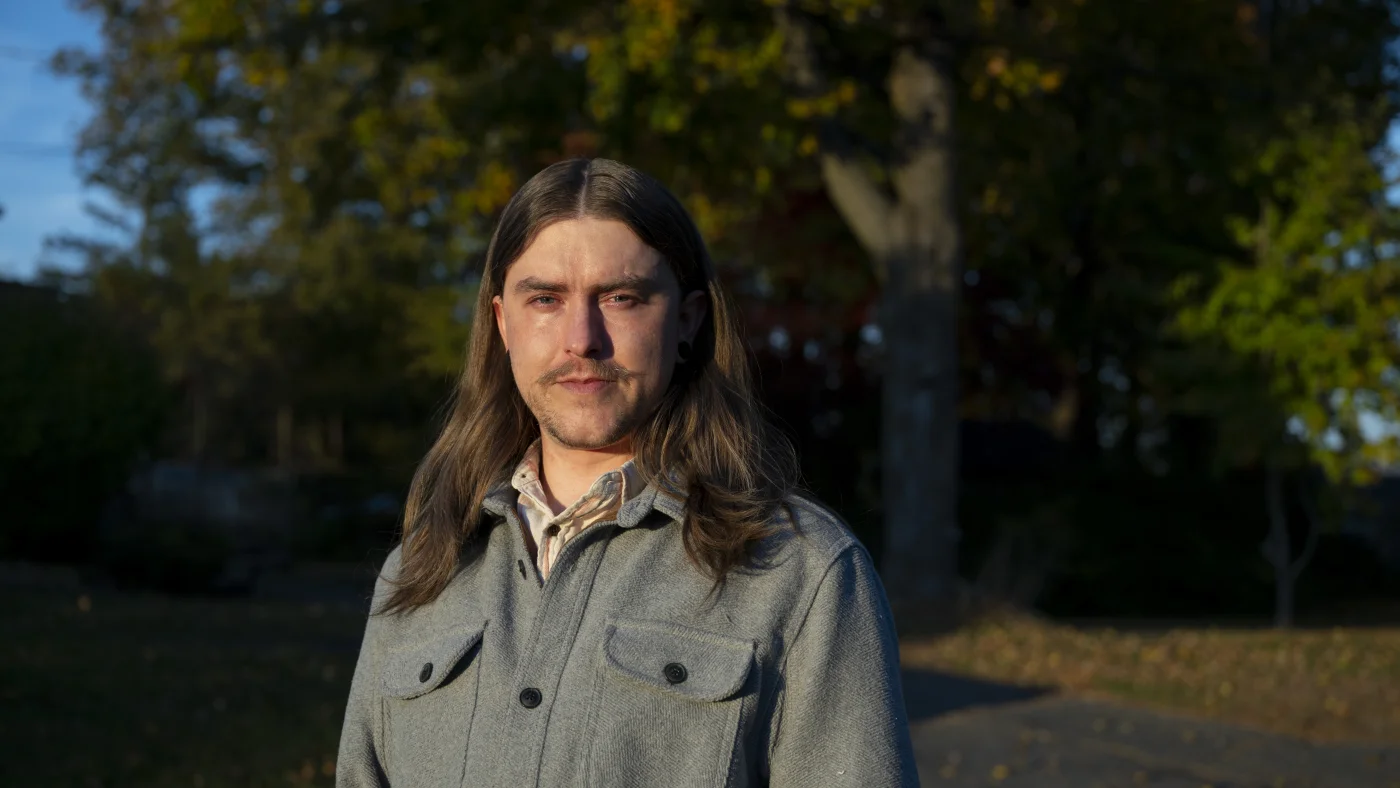
In the quiet town of Winsted, Connecticut, Kendrick Gaussoin stands as a testament to the enduring challenges faced by former students of abruptly closed colleges. Despite a Biden-era policy aimed at providing relief, Gaussoin’s pursuit of loan forgiveness remains an uphill battle.
Kendrick Gaussoin vividly recalls the day his dreams were shattered. A decade ago, as he arrived at Brooks Institute in Ventura, California, he found the doors of the private, for-profit college chained shut. The sudden closure left him and his classmates with substantial student loan debts and no degree in sight. “It was very eerie,” Gaussoin remembers. “Everyone was crying. Everyone felt like they’d lost everything.”
Brooks Institute’s unexpected shutdown marked a turning point in the lives of many students, including Gaussoin, who had been pursuing a bachelor’s degree in photography. The closure left a trail of financial burdens and shattered ambitions.
Seeking Loan Forgiveness
Federal law mandates the cancellation of loans for students whose schools close unexpectedly, a process known as “closed school discharge.” However, a recent lawsuit filed by the nonprofit group Student Defense against the Department of Education claims the Trump administration is not adhering to these regulations.
The lawsuit, filed on behalf of Gaussoin and potentially thousands of others, challenges the department’s refusal to fully implement the program’s rules.
Between 2010 and 2020, over 1,100 colleges closed, impacting 246,000 borrowers eligible for loan discharge, according to the U.S. Government Accountability Office.
Borrowers qualify for discharge if they were enrolled at the time of closure or left school within six months before closure. However, Gaussoin’s leave of absence from Brooks put him outside the standard eligibility window.
Policy Changes and Challenges
In 2025, the Education Department under the Biden administration expanded the eligibility window for borrowers from closed schools like Brooks. This change made Gaussoin eligible for loan discharge. However, the Trump administration later denied his application.
The department’s spokesperson, Ellen Keast, stated that the Biden administration’s policy was “unlawful,” claiming it unfairly shifted the burden of student loan debt.
During the first Trump administration, Education Secretary Betsy DeVos similarly expanded the eligibility window for other institutions, citing “exceptional circumstances.” “Students were failed and deserve to be made whole,” DeVos said.
The Ongoing Burden
For Gaussoin and his mother, Christine, the financial strain continues. Christine, who took out Parent PLUS loans to support her son’s education, now owes about $28,000. Both Kendrick and Christine’s applications for loan discharge under the Biden-era policy have been denied.
Their story reflects the broader struggle faced by many former students of closed schools, who are left grappling with debt and dwindling opportunities. As Kendrick continues to navigate life with significant debt and no degree, the burden of those loans remains a constant challenge.



Comments are closed.