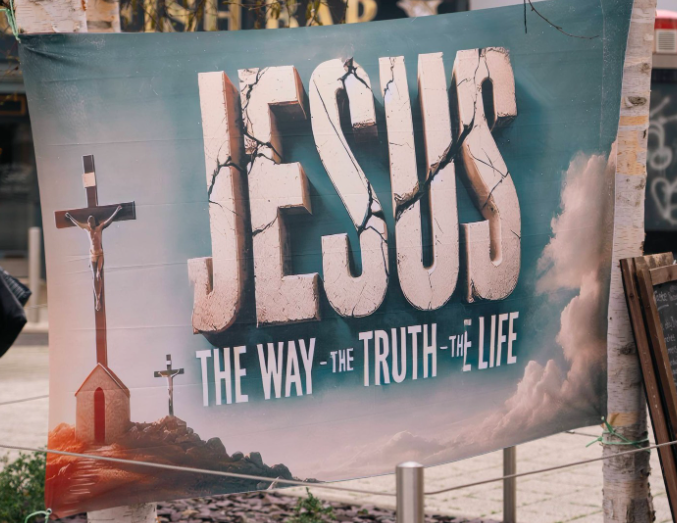
In the historic town of Colchester, a local church is at the center of a controversy that could see its members penalized for their evangelical efforts. The Bread of Life Community Church, located in Clacton-on-Sea, has been served with a Community Protection Notice that could criminalize its entire congregation for spreading their religious message in the town center.
Over the years, numerous church ministries and street preachers have faced similar challenges. These instances of censorship are becoming increasingly frequent, indicating a broader trend of restricting religious expressions that challenge societal norms.
Evangelism: A Core Element of Christianity
For many religious communities, activities such as preaching, aiding the homeless, and offering educational materials are essential for spreading their faith. Evangelism is seen as a fundamental aspect of Christianity, where followers are encouraged to reach out and share their beliefs with others.
However, recent actions by local authorities raise concerns about the potential confinement of these public expressions of faith to church properties. The initial complaints against the Bread of Life Community Church pertained to noise levels, despite the absence of a ban on amplified sound.
The church now faces accusations of delivering ‘religious messaging’ that allegedly causes ‘harassment, alarm, and distress’. Their outreach efforts, which are documented through livestreams, reveal a focus on core gospel themes such as salvation and personal testimony.
The Role of Truth in Evangelism
While the church’s message may provoke strong reactions, it is important to distinguish between causing alarm and harassment. As noted by Penn Jillette, a well-known atheist, withholding the message of eternal life from others is akin to an act of disregard. The church emphasizes that their message, although alarming to some, is a pathway to salvation and redemption.
Balancing Words and Actions
Beyond preaching, the Bread of Life Community Church is committed to community service, offering practical assistance such as food and clothing. Such acts of charity are integral to their faith, demonstrating their beliefs through action.
Local governments often appreciate these charitable works, yet it is crucial to recognize that these actions are driven by religious convictions. The church maintains that faith without corresponding actions is incomplete, as supported by biblical teachings.
Many outreach initiatives combine spiritual messages with tangible aid, exemplifying the holistic nature of their mission.
Challenges from Other Religious Practices
Amidst these challenges, Christian street ministries face increased restrictions, while Islamic practices are becoming more visible in public spaces. Events like the broadcast of the Adhan and public Iftar gatherings highlight this shift.
This situation raises questions about the balance between religious freedom and public order, as well as the implications for the societal role of different faiths.
The Consequences of Silencing the Gospel
The ongoing debate about religious expression in public spaces underscores the gospel’s importance in societal restoration. Critics argue that silencing the gospel only deprives communities of the hope and transformation it offers.
Authorities aiming to shield the public from ‘religious messaging’ might inadvertently limit access to a message of hope. Advocates argue that acknowledging and repenting for societal and personal shortcomings is key to achieving true healing and unity.
Andrea Williams is chief executive of Christian Concern and the Christian Legal Centre.
This article was originally written by www.christiantoday.com