New Visa Rules Pose Challenges for International Students in the U.S.
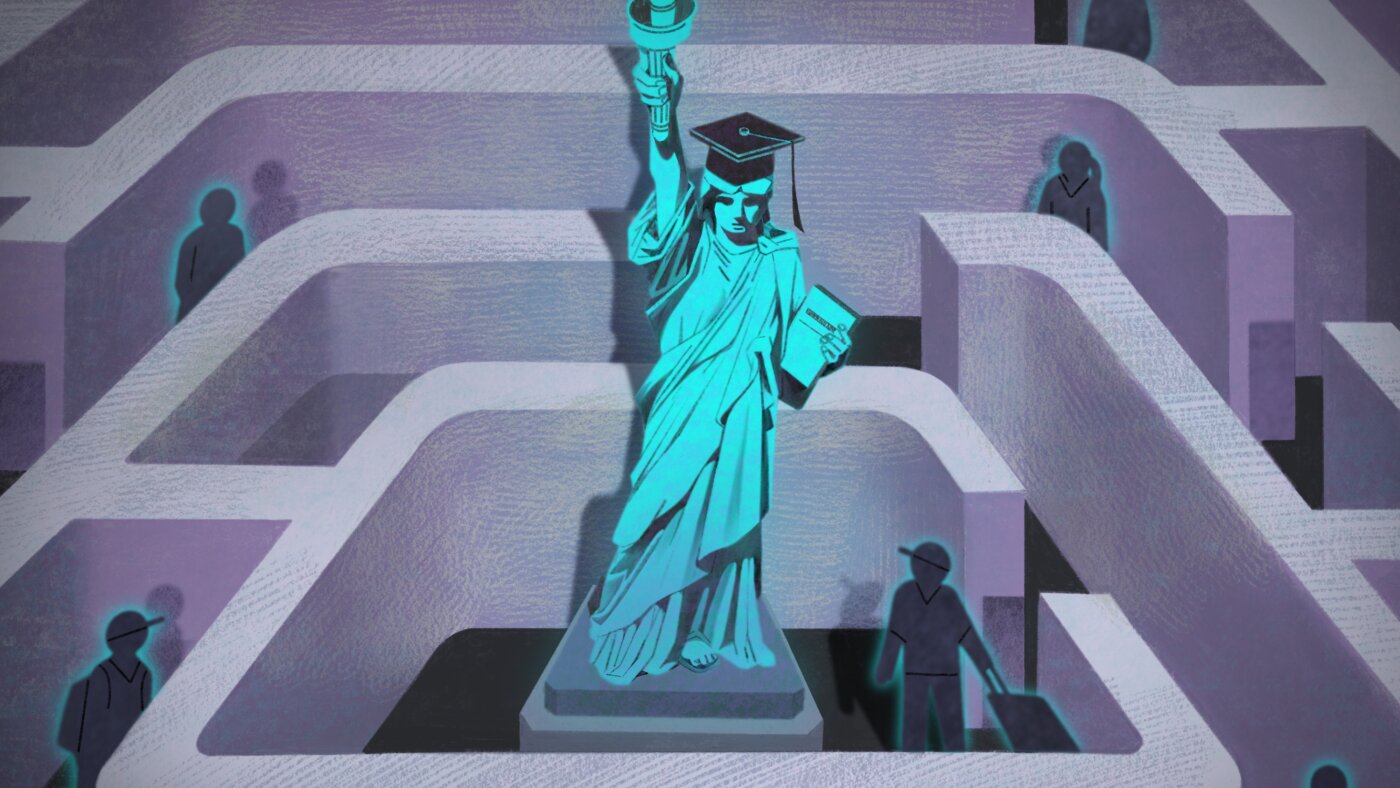
International students in the U.S. face new hurdles as recent visa regulations threaten to disrupt their educational pursuits. The Trump administration’s latest move aims to tighten immigration controls, potentially clashing with the interests of American higher education institutions.
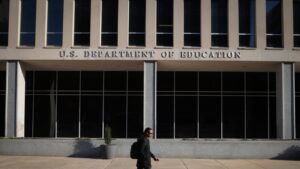
The Department of Homeland Security (DHS) has introduced stringent measures targeting international students who extend their academic programs. These changes involve setting fixed durations for student visas and complicating the process of transferring schools or changing study plans.
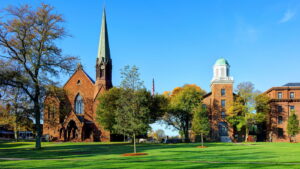
According to the new rule, which was announced recently, international students could face significant obstacles on campuses where they often comprise a substantial portion of the student body. These students not only enrich the cultural diversity of universities but also contribute significantly to their financial health by paying full tuition without federal aid. Furthermore, they are crucial to advancing innovation across various fields, particularly in graduate and research programs.
Fanta Aw, executive director and CEO of NAFSA: Association of International Educators, voiced concerns over the implications of this policy change, stating, “What is at stake is frankly the preeminence of American higher education.” She criticized the decision as unnecessary bureaucracy, adding, “At a time when there’s increased competition, we continue to shoot ourselves in the foot every single time.”
Rationale Behind the Policy Shift
The elimination of “duration of status” for international students forms part of a broader immigration crackdown by the Trump administration. Secretary of Homeland Security Markwayne Mullin justified the new regulations as a means to bolster national security and curtail the phenomenon of “forever students.”
Mullin emphasized, “This final rule ensures that foreign students remain focused on their primary purpose: completing their studies and returning home.”
Previously, students on F or J visas could stay in the U.S. as long as they were enrolled in their programs and adhering to legal requirements. Despite the DHS citing widespread abuse in the student visa system, concrete data on such practices remains elusive. The department does report a “Suspected In-Country Overstay” rate, which for 2024 stood at 2.45% among over 1.4 million student visa holders.
Under the new guidelines, most students will receive visas valid for a maximum of four years. Extensions will require an application and fee, and students cannot change majors or transfer schools within their first year. Additionally, the post-graduation grace period is halved from 60 to 30 days, reducing time for job searches and visa adjustments.
Potential Impact on Enrollment
The policy is set to take effect in mid-September, impacting future enrollments more than current ones, as most students will have already secured their visas for the upcoming academic year.
For those currently holding F or J visas, the validity will automatically adjust to four years from the rule’s start date. However, the policy adds to existing challenges faced by U.S. colleges, which have already reported significant declines in international graduate enrollments, exacerbated by prior travel bans, visa disruptions, and funding cuts.
Critics argue that restricting students’ ability to change programs undermines the U.S.’s educational appeal, where students traditionally explore and refine their academic paths.
University Concerns
When DHS proposed the changes, it received over 20,000 comments, many from educational institutions warning of the disruption the policy could cause. Vanderbilt University highlighted the potential setbacks for Ph.D. students, noting that the average program duration exceeds the new four-year limit.
Oklahoma State University also expressed concerns about programs like veterinary medicine, which typically take longer than four years. Schools pointed out various reasons for extended study durations, emphasizing the economic and workforce implications.
As the rule takes effect, universities are preparing to address its impact on their international student offices and programs. Carnegie Mellon University plans a town hall to help its community navigate the changes, assuring students, “We know changes can cause uncertainty and anxiety, and we want students and scholars to know that we are here to support you.”