Global Leaders Convene to Address Left-Wing Terrorism Concerns
The Trump administration has intensified its focus on what it describes as “left-wing political terrorism,” drawing significant international attention. With midterm elections approaching, this issue has become a central theme for Republicans seeking to consolidate their voter base.
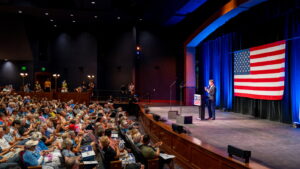
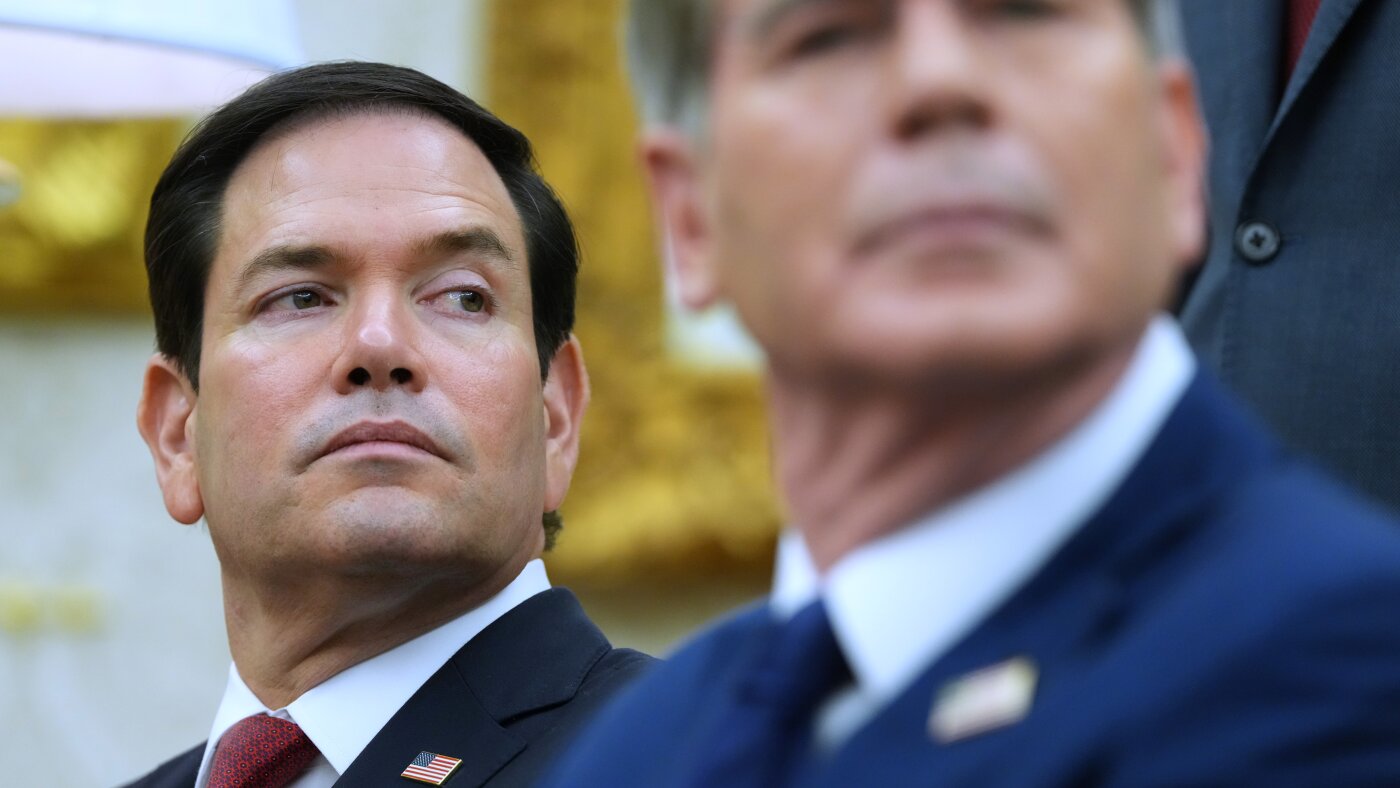
On Thursday, Secretary of State Marco Rubio gathered leaders from over 60 nations to address rising concerns about left-wing political violence. This initiative comes despite studies indicating that incidents of left-wing terrorism in the U.S. are relatively rare, especially when compared to historically higher rates of far-right violence.
Rubio and other U.S. officials have issued stark warnings about the potential future dangers posed by “communists and Marxists,” urging international cooperation to tackle what they view as a neglected area in counterterrorism efforts. “So many people in positions of power have repeatedly dismissed acts of violence and even terrorism as legitimate forms of political expression, so long as they served a left-wing cause,” Rubio stated.
Analyzing the Data
The Center for Strategic and International Studies released a report last year highlighting a noticeable shift: left-wing terrorism incidents as of July 2025 had, for the first time in over three decades, surpassed those from the far right. However, this increase stems from a low baseline, alongside a drop in far-right incidents. From 2016 to 2024, there was an average of four left-wing incidents per year, compared to 22.7 from the right. Yet, by early July 2025, right-wing incidents had drastically decreased to just one, while left-wing incidents rose to five.
The report emphasizes the necessity of combating terrorism on both sides of the political spectrum, cautioning that right-wing terrorism could quickly resurge.
A Political Strategy
President Donald Trump and his allies have prioritized rhetoric against the far left in their pre-election strategies. Trump has accused the Democratic Party’s left wing of seeking to “completely destroy the traditional American way of life.” Vice President JD Vance and House Speaker Mike Johnson have also criticized the rise of communism in U.S. politics.
Rubio’s stance is influenced by his personal history as the son of Cuban immigrants who fled to the U.S. before Fidel Castro’s communist regime took hold. He attributes the growth of the far left in America to the influence of such regimes.
Stephen Miller, a key figure in the Trump administration, has highlighted the perceived threats from the left, stating, “If your civilization is your home, you must defend it with the same passion and force as if an enemy intruder is inside your own house where your family lives.”
This narrative has often conflated democratic socialism with communism. The recent election of democratic socialist Zohran Mamdani as New York City’s mayor, along with similar victories, has intensified this rhetoric.
Sanctions and Policies
The administration has begun targeting left-wing groups through sanctions. In November, the State Department labeled four European antifa groups as foreign terrorist organizations. Treasury Secretary Scott Bessent emphasized the importance of disrupting their financial networks to counter their influence.
Rubio also introduced a new policy to restrict visas for individuals linked to these groups, including those providing financial or logistical support. “We have spent decades developing the world’s most sophisticated financial counterterrorism capabilities,” Bessent remarked, “and now we are mobilizing some of the same tools that we have deployed against terrorists abroad to confront this emerging threat here at home.”