Senate Races Heat Up Amid Food Insecurity Concerns
Critical U.S. Senate races in 2026 are unfolding in states grappling with escalating food insecurity, posing potential challenges for Republican candidates.
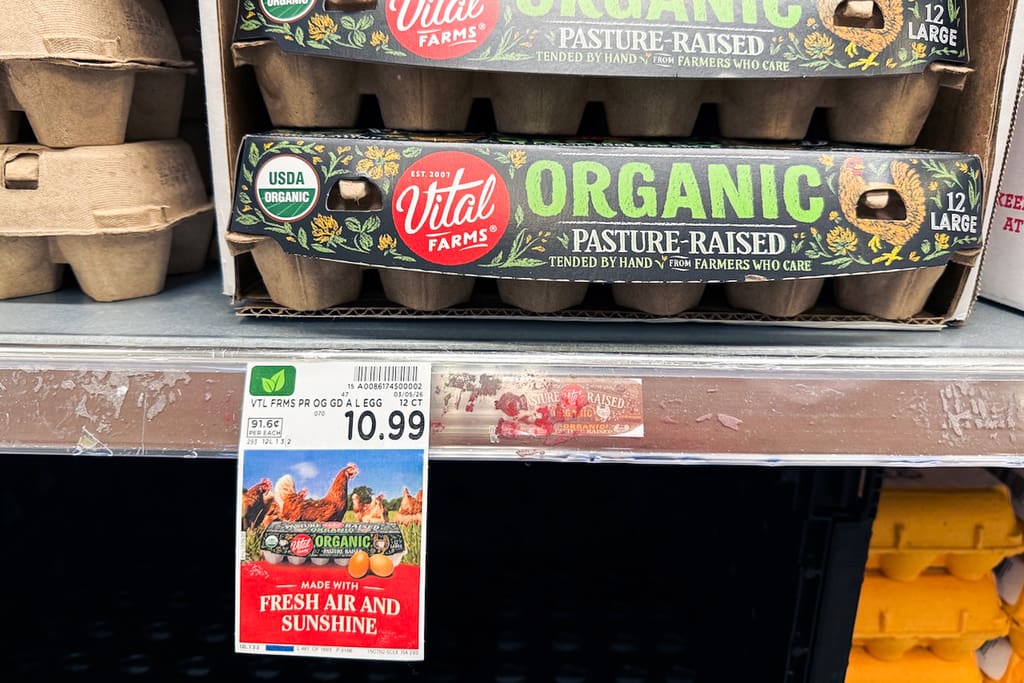
According to the Bureau of Labor Statistics, 2025 saw significant increases in grocery prices, with bananas up by 5.9% and coffee surging nearly 20%. These increases are largely attributed to inflation and former President Donald Trump’s tariff policies.
The situation is exacerbated by reductions in SNAP benefits as outlined in the One Big Beautiful Bill Act (OBBB), affecting around 4 million Americans over the next eight years.
“I’ve already had to make cuts to my grocery list,” shared Nikki, a mother from Iowa, with Unrig Our Economy. “I don’t know how families like mine are going to make ends meet.”
Grocery costs in 2025 rose 4.75% in Ohio, 4.3% in Maine, 3.9% in Florida, and 3.8% in Texas, with Alaska seeing a 2.9% rise, compounded by its already high food prices due to location and fuel costs.
Each of these states has a Republican senator facing reelection in 2026.
Ohio’s Sen. Jon Husted supported OBBB despite an Urban Institute analysis indicating potential risks to food assistance for 717,000 Ohio families. Feeding America reports that one in seven Ohioans are experiencing food insecurity.
In a January 2026 interview, Husted defended the program cuts, stating on air with Kayala Blakeslee that Ohioans need to improve their work ethic.
“Our work ethic is broken,” Husted stated. “We don’t have the work ethic in this country that we once had, and we literally have the federal government telling people we will give you more money if you stay home than if you go to work.”
Similarly, in Maine, 100,000 families face potential loss of assistance, with one in five children facing hunger.
Sen. Susan Collins, who did not vote for OBBB, nonetheless played a role in its advancement, voting to bring the bill to the Senate floor in June 2025, facilitating its passage. She is positioning herself as an opponent of the law in her campaign.
Senators Ashley Moody of Florida, John Cornyn of Texas, and Dan Sullivan of Alaska all supported OBBB, with Moody and Cornyn touting it as a major success. Sullivan stated that “no state fared better than” Alaska under OBBB, despite the risks to food assistance for 27,000 families.
Republican House members seeking Senate seats are also under scrutiny for their OBBB votes. Iowa Rep. Ashley Hinson supported the bill despite a 3.7% rise in food costs and impacts on 134,000 residents.
In Georgia, Reps. Buddy Carter and Mike Collins are competing for a Senate nomination, both backing OBBB. Carter highlighted his leadership role in advancing the bill in a July 2025 press release.
These political figures face public opinion challenges, as a November 2024 Data for Progress survey found 78% of voters support SNAP. An Associated Press poll indicated that about half of Americans desire increased SNAP funding.
Democratic governors expressed their concerns in a June 2025 letter to Congress, cautioning that SNAP cuts could heighten hunger and poverty, impact health, and harm rural grocery stores and local economies.
—
Read More Kitchen Table News