The Evolution of Soccer in the U.S.: MLS’s Role in the 2026 World Cup
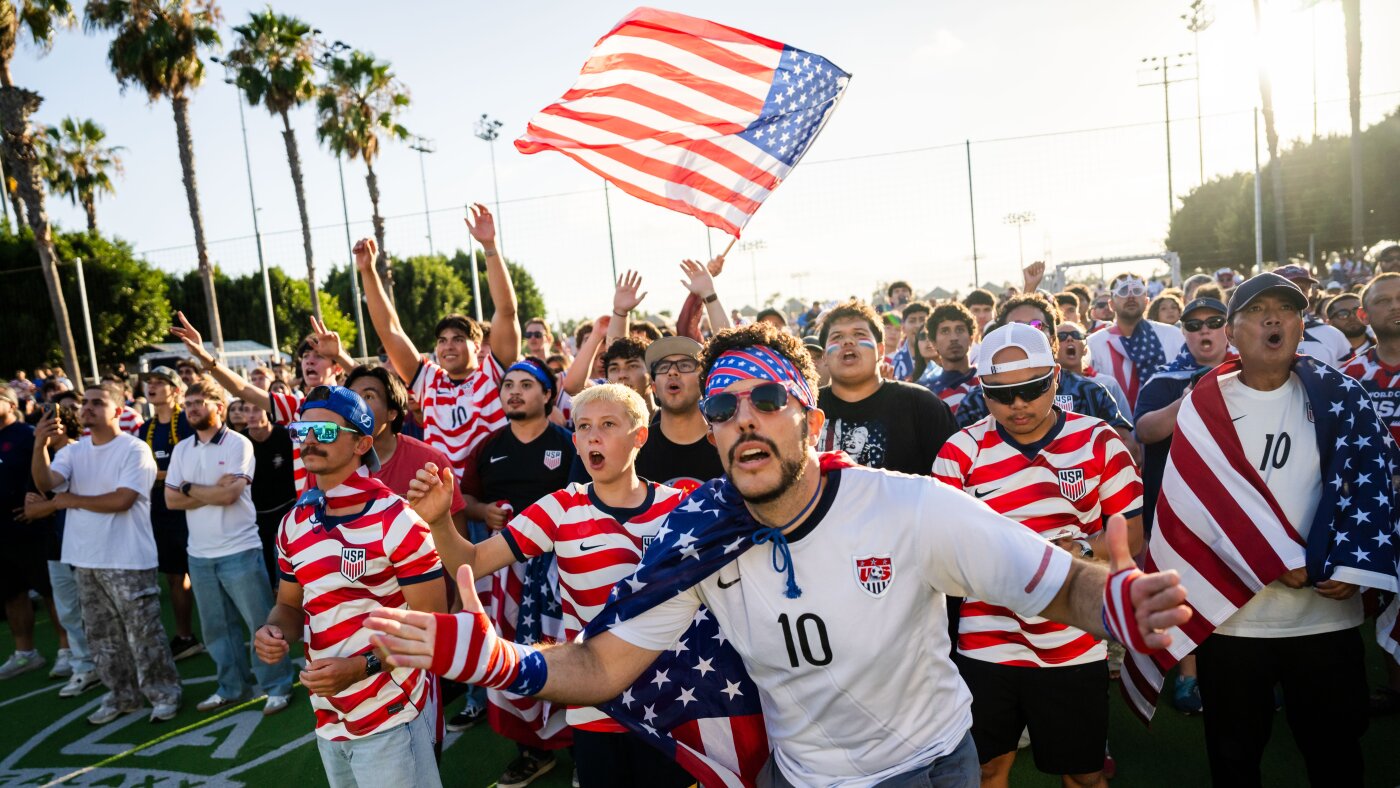
In the heart of Chicago’s West Loop, a local bar has transformed into a bustling hub for soccer enthusiasts, drawing large crowds eager to witness the World Cup action. This phenomenon is part of a larger strategy by Major League Soccer (MLS) to leverage the 2026 World Cup, hosted in the U.S., to expand its fanbase and influence.
Chicago Fire’s Strategic Engagement
Despite not hosting any World Cup games due to a decision by former Mayor Rahm Emanuel, the Chicago Fire, the city’s MLS team, invested nearly $3 million to create a vibrant watch party venue at Recess bar. This initiative attracted an estimated 60,000 attendees over the summer, showcasing the club’s commitment to growing soccer’s popularity.
Building on Past Success
The 1994 World Cup marked a turning point for soccer in the U.S., leading to the creation of MLS. Since its inception in 1996 with 10 teams, the league has expanded to 30 teams, matching the size of other major American sports leagues. The current World Cup presents another opportunity for transformation, with MLS aiming to replicate the momentum from 1994.
Engaging New Fans
MLS clubs are actively working to convert casual sports fans into soccer enthusiasts. The “First Match on Us” promotion offers free tickets to first-time attendees, aiming to introduce more people to the excitement of live soccer. Brian Bilello, president of the New England Revolution, notes a shift in perception, with more sports fans open to embracing soccer today than in the past.
The Power of Celebrity Influence
Lionel Messi’s move to Inter Miami CF in 2023 has significantly boosted MLS’s profile. A recent marketing campaign, “Thanks World, We’ll Take It From Here,” capitalizes on his global appeal, aiming to attract more top-tier talent to the league. Messi’s performance in the World Cup further underscores MLS’s potential to be a competitive platform for international stars.
Enhancing League Quality
MLS’s involvement in the U.S. World Cup bid ensured its facilities played a central role in the tournament. Many World Cup teams, including powerhouse nations like Argentina and Brazil, chose MLS venues for training. This exposure aims to demonstrate the league’s quality and entice more top-flight players to consider MLS as a career destination.
Future Prospects
While European leagues like the English Premier League remain popular among U.S. fans, MLS is focused on improving its player quality to enhance competition. As MLS players contribute significantly to the World Cup, the league’s efforts to elevate its stature are gaining validation. “Major League Soccer players scored 10 goals in the group stage,” noted Camilo Durana, the league’s chief business officer, highlighting the progress and potential within MLS.
This article was originally written by www.npr.org