Federal Agents and Free Speech: A Legal Battle Unfolds
In a surprising turn of events, federal agents from Homeland Security Investigations (HSI) have been making headlines after an attempt to deliver a warning notice to David Streever, a Rochester resident, over an email he sent criticizing the former head of U.S. Immigration and Customs Enforcement (ICE). This incident has sparked a legal battle centered around First Amendment rights.
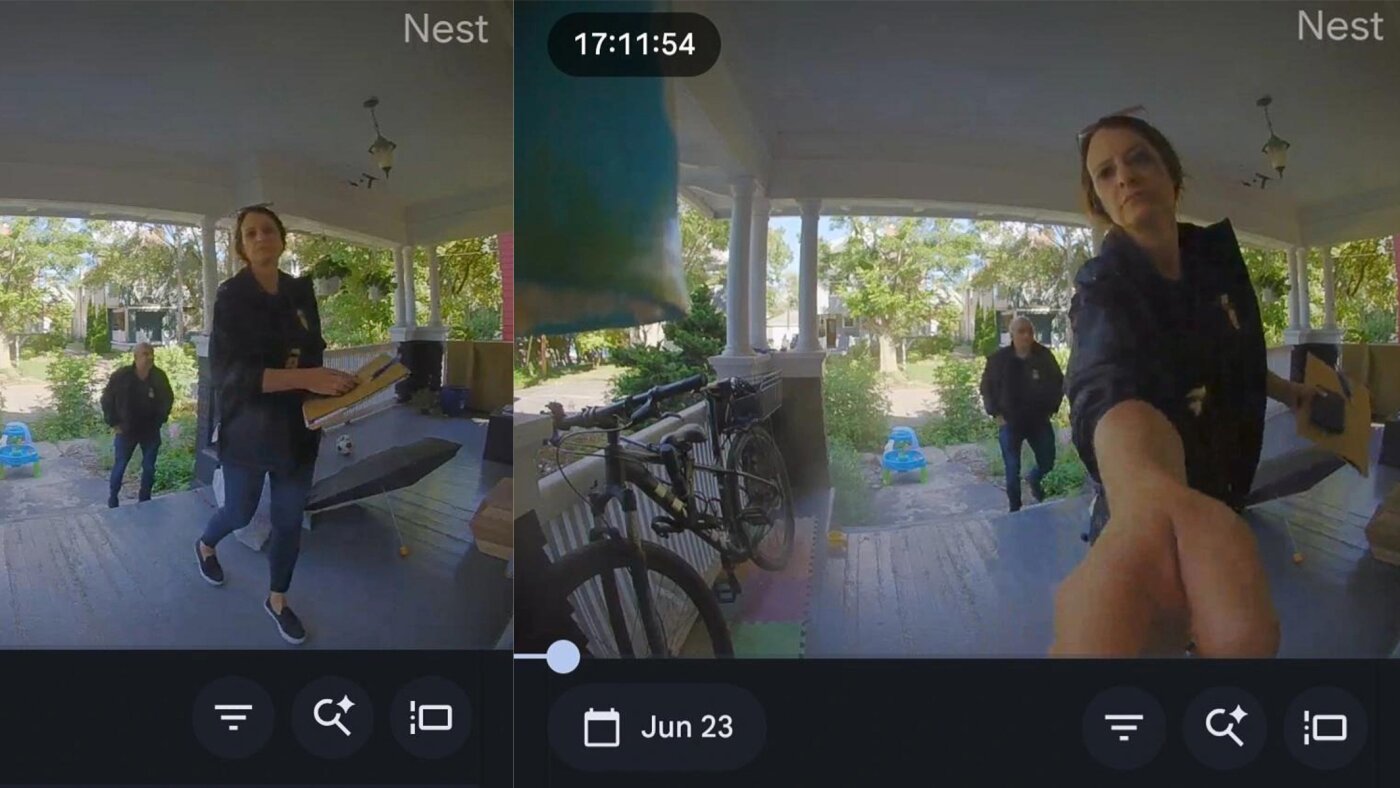
Last month, HSI agents attempted to locate Streever, leaving a warning notice at his home. This notice accused him of potentially violating federal law through an email he sent to Todd Lyons, the acting director of ICE at the time. The email, sent in January, expressed Streever’s outrage over a fatal shooting involving federal immigration officers in Minneapolis.
Legal Proceedings and Allegations
On Monday, the nonprofit Foundation for Individual Rights and Expression (FIRE) filed a lawsuit in Washington, D.C., arguing that Streever’s email was protected by the First Amendment. The lawsuit claims that federal agents and their superiors infringed upon Streever’s rights by attempting to intimidate him for his criticism of a high-ranking law enforcement officer.
According to the lawsuit, “Our Constitution does not tolerate such a brazen abuse of authority.” The legal action seeks a court declaration that Streever’s email constitutes protected speech and aims to prevent any further retaliatory actions against him.
Federal Response and Controversy
HSI’s actions have raised questions about the extent to which federal authorities can track and confront individuals over their online speech. Streever was on a family vacation when agents visited his home and later tracked him to a hotel, prompting concerns about his privacy.
The Department of Homeland Security (DHS) responded to inquiries by stating that they investigate all credible threats against ICE employees. However, they denied any attempt to suppress free speech, emphasizing their focus on addressing threats to law enforcement officers.
Similar Incidents and Broader Implications
Another individual, Paigelynne Gonyea, encountered a similar situation on the same day as Streever. Gonyea, a Syracuse resident, was contacted by HSI agents regarding an Instagram post they claimed violated the law. The post allegedly doxxed an ICE agent, but Gonyea disputes this, arguing that her post was part of a larger public debate.
The controversy surrounding these warning notices raises significant questions about the balance between free speech and law enforcement activities. Adam Steinbaugh, a senior attorney at FIRE, remarked, “What the law criminalizes is publishing an address or sharing an address with the intent to convey a threat.”
As these legal battles unfold, the implications for free speech and government accountability continue to be scrutinized. The outcomes of these cases may set important precedents for how federal authorities handle online dissent and criticism.
This article was originally written by www.npr.org