Unexpected Aircraft Change for Trump’s Return from NATO Summit
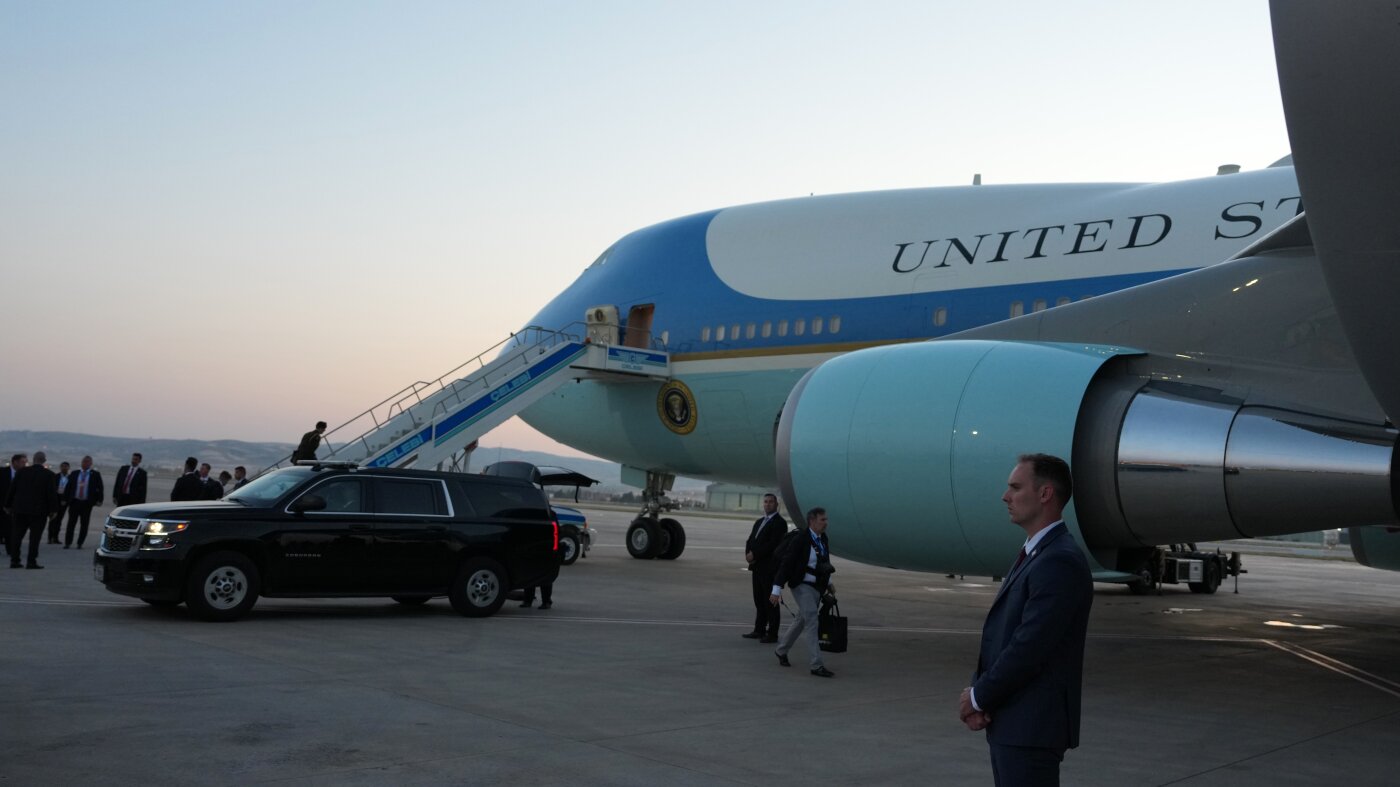
In an unusual twist, President Donald Trump returned from a NATO summit in Turkey on a classic Air Force One, bypassing the newly revamped Qatari-gifted plane he originally used. The switch raised eyebrows amid escalating tensions between the U.S. and Iran, both trading military strikes.
The surprise began when Trump opted for the vintage baby blue aircraft, citing nostalgia, while the high-tech, red, white, and navy blue jet was redirected to RAF Mildenhall in the UK. This unexpected detour allowed U.S. service members to view the new plane, which lacks some advanced security features of the older models.
The new aircraft, despite a $400 million retrofit, has drawn scrutiny for missing missile detection systems. Images of the plane reveal these omissions, sparking debates about its readiness in high-threat scenarios. The U.S. Air Force, responsible for the fleet, remains silent on these security concerns, deferring to the White House for comments.
Security Measures and Flight Path Decisions
While Trump denied that security threats influenced the aircraft switch, he acknowledged the constant presence of threats, particularly from Iran. “I’m No. 1 on their list,” Trump stated, referencing Iran’s alleged targeting of him. Interestingly, during the flight, reporters were instructed to keep window blinds closed, a precaution Trump attributed to “sleazebags,” hinting at perceived threats.
The decision to disable the transponder of the older Air Force One during the flight from Turkey, a measure typically reserved for high-risk zones, added to the intrigue. Meanwhile, the Qatari jet, equipped as a “bridge” aircraft for domestic use, landed safely at the UK base.
Global Security Implications and Aircraft Capabilities
The absence of countermeasure systems on the Qatari aircraft suggests it is more suited for less volatile environments. The Air Force has acknowledged prioritizing certain upgrades over others, ensuring no compromise on safety, but leaving some advanced systems out.
Iran’s military capabilities, which include missiles and drones with significant range, underscore the necessity for robust security measures. Nevertheless, the strategic decision to showcase the new plane to troops aligns with efforts to boost morale and display military might.
The ongoing modernization of the Air Force One fleet faces delays, with full upgrades expected by 2028. Until then, the legacy aircraft continue to serve, embodying a blend of Cold War-era resilience and modern technological demands.
This article was originally written by www.npr.org