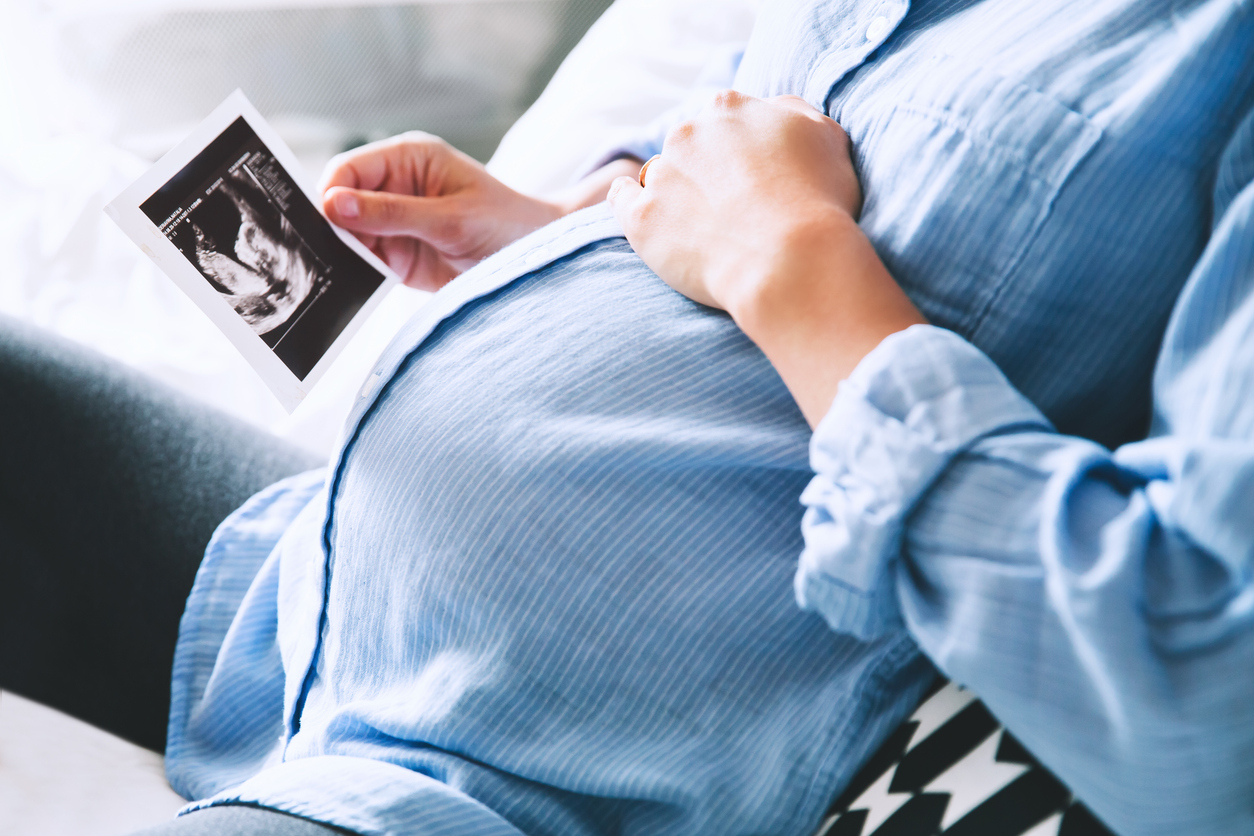
In a compelling new report, the focus turns to the societal support structures for new mothers, urging a reevaluation of how this life stage is perceived. Motherhood, the report argues, transcends a mere medical event, marking a profound emotional, social, and spiritual journey.
The collaborative study by Theos and the Bible Society titled ‘Motherhood, Inside Out’ delves into “matrescence,” or the process of becoming a mother, and reveals that many women feel unsupported during this significant transition.
Research involved qualitative insights from 91 UK mothers and dialogues with 14 maternal healthcare professionals, conducted from March to September 2025. Additionally, a quantitative survey by Ipsos in 2026 gathered the views of over 4,400 women across Britain on motherhood perceptions.
In the foreword, author Lucy Jones highlights the surprising lack of research regarding the mothering experience. She writes, “How strange, that a major life experience that many women will have – becoming a mother – is so under-researched, hidden, invisible, unrecognised.”
Jones further discusses how society inadequately supports women during this vulnerable period, despite increasing postnatal mental health issues, loneliness, and insufficient maternity care.
The report paints a diverse picture of motherhood, with some mothers discovering a stronger identity and others experiencing it as a life-altering “personal earthquake.”
Motherhood prompts many women to reassess their life priorities, relationships, and career paths, often leading to deeper reflections on faith, mortality, and life’s purpose. Both religious and non-religious mothers reported feelings of awe and connectedness through raising children.
According to the survey, nearly 65% of mothers reflected more on death after having children, primarily due to concerns about their children’s future in their absence.
For Christian mothers, motherhood reshaped their spiritual practices, as caring for children disrupted traditional religious activities. Many developed new faith rhythms, such as prayer during childcare.
Motherhood also affected how women engage with societal issues, including education, environmental concerns, and technology, although some avoided distressing news to protect their mental health.
The report highlights that many mothers felt undervalued post-birth, with unpaid caregiving often going unrecognized. Participants noted the challenges of sleep deprivation, body image pressures, financial strains from childcare costs, and isolation due to lack of community support.
While criticized for unrealistic portrayals, social media was also valued for facilitating peer-support networks, such as WhatsApp groups. Yet, face-to-face local relationships were deemed the most encouraging.
Churches emerged as key venues for community support, offering “village” environments through toddler groups and intergenerational friendships. However, churches sometimes overlooked mothers’ spiritual needs.
The report recommends enhanced training for healthcare professionals to address the emotional and spiritual dimensions of motherhood, beyond just focusing on postnatal mental health.
Improvements in postnatal care are advised, advocating for holistic health checks that consider mothers’ well-being, continued support post-birth, and better partner accommodation during hospital stays.
For churches, the report suggests broadening both practical and spiritual support, fortifying local community ties, and introducing meaningful rituals and prayers to mark motherhood transitions.
The report concludes that supporting mothers extends beyond healthcare providers and faith communities, requiring a societal shift. It emphasizes the roles of workplaces, families, communities, media, and policymakers in acknowledging the transformative journey of motherhood.
“As this report shows, faith communities and church-run groups today are providing space and support for new mothers – but we need much more of this, in both local communities and government policy,” the report stated.
It further suggests that “simple changes at key meeting points would make a meaningful difference to women’s experiences as they navigate this vital transition.”
This article was originally written by www.christiantoday.com