
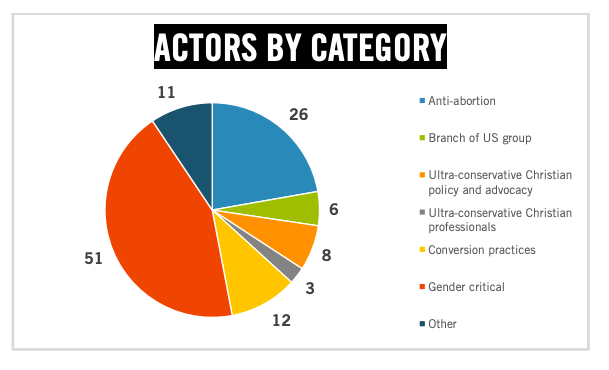
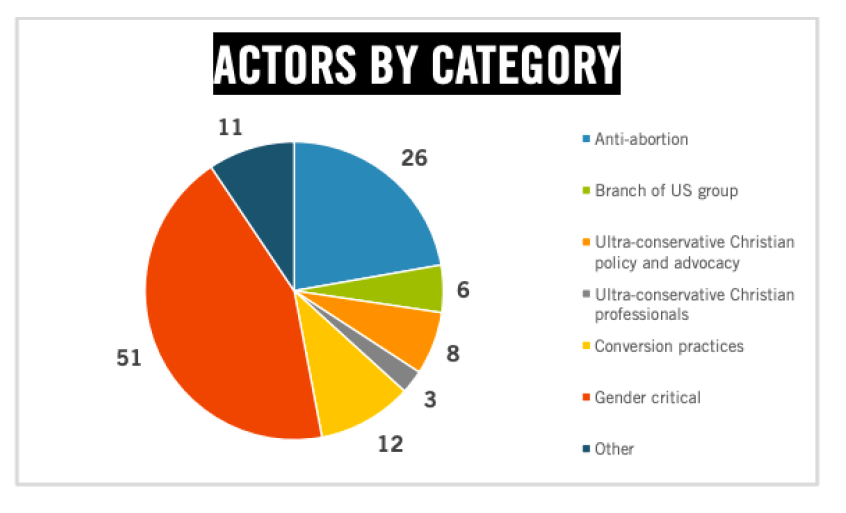
A recent controversy involving Amnesty International UK has sparked a debate about the role of Christian charities in public discourse. This comes after the organization labeled numerous Christian and socially conservative groups as “anti-rights”.
The issue arose when Amnesty published a report identifying 117 groups, many Christian and gender critical, as part of an “anti-rights movement in the UK”. Though Amnesty has since retracted the report and issued regret over its language, it originally called for a review of these groups’ charitable status by the Charity Commission.
Now, leaders from various Christian organizations, including CARE, Christian Concern, The Christian Institute, and the Christian Medical Fellowship, have addressed the Charity Commission in an open letter.
The letter criticizes Amnesty for what they describe as “a lazy generalisation” by grouping together organizations that often share little more than a disagreement with Amnesty on issues like preborn human life, human sexuality, or sex’s immutability.
“In most cases, the only thing these organisations share is disagreement with Amnesty International UK’s position on a handful of contested questions relating to the value of preborn human life, human sexuality, or the immutability of sex. Some take no public position on these issues, while others address only one or two of them,” the letter states.
The letter further disputes the “anti-rights” label, noting that many of these organizations strive to protect fundamental freedoms rooted in Christian thought and embedded in international human rights frameworks.
Despite the report’s withdrawal, the charities argue it reflects a consistent stance from Amnesty. They assert that the report’s recommendations amount to “an explicit call to discriminate against our organisations by removing the mechanisms and resources that enable much of our work to continue”.
The letter concludes by urging the Charity Commission to uphold charities’ rights to engage in public debates without facing demonization, and to acknowledge the positive role of faith-based, pro-life, and pro-family charities in public life across England and Wales.
Robert Clarke from the Alliance Defending Freedom, which coordinated the letter after also being listed by Amnesty, remarked, “Disagreeing with Amnesty on a handful of contested questions isn’t a threat to human rights.”
This article was originally written by www.christiantoday.com




Comments are closed.