(Photo: Getty/iStock)
In recent discourse, a narrative has emerged among some popular podcasters claiming that Islamic regimes have historically been “very kind” toward Christians. This portrayal, however, is contradicted by historical records that paint a more complex and often troubling picture of relations between Islamic and Christian territories.
One prevalent myth is that Islam and Christianity coexisted peacefully for 500 years until the First Crusade. Historical evidence disputes this, showing that after the death of Mohammad in 632, Islamic forces rapidly expanded, overtaking the Holy Land, North Africa, and even parts of Europe, such as Spain and Southern France, by 732. Their advances included raids into Germany and even the sacking of areas near Rome, while they also took control of Sicily and eventually most of modern Turkey by 1071.
In the territories conquered by Muslims, Christians were relegated to the status of dhimmis, or second-class citizens. They were obliged to pay the jizya tax, a symbol of submission, which was often accompanied by humiliations. Non-compliance could result in severe penalties, including death or enslavement.
Restrictions on Christians in these regions were stringent. Public expressions of Christianity were prohibited, such as the ringing of church bells or audible prayers. Building new churches or repairing old ones required rarely granted permissions, and criticizing Islam or proselytizing was forbidden. Christians faced legal disadvantages, such as their testimonies being weighed less than those of Muslims, and they were subjected to various social restrictions.
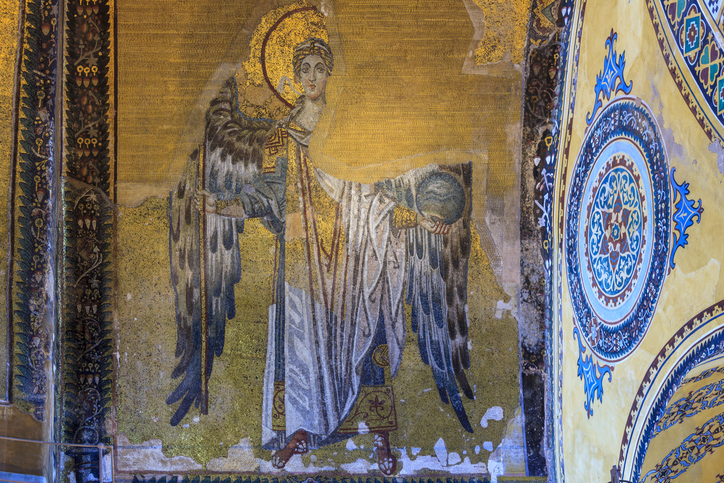
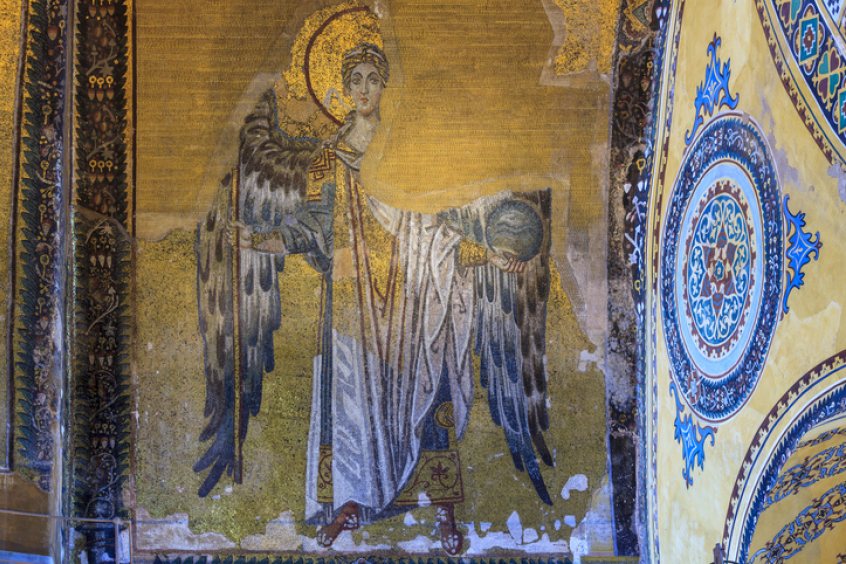
Another claim suggests that Muslim rulers safeguarded Christian holy sites, repairing them when necessary. In reality, many significant Christian sites were converted into mosques. The Hagia Sophia in Istanbul is a prominent example of such conversion. While the Church of the Holy Sepulchre in Jerusalem was an exception due to its economic value from pilgrimages, it was also destroyed in 1009 by Caliph Al Hakim and was only later rebuilt for financial reasons.
During the Ottoman Empire, which some describe as benevolent to Christians, Christian boys were taken from their families to serve as Janissaries—Muslim soldiers loyal to the Empire. Christian girls were often taken into harems, and violence against Christian communities was not uncommon. The early 20th-century genocides of Armenians, Assyrians, and Greeks further illustrate the violent history, resulting in the deaths of 1.5 to 2.5 million people.
Violence and oppression against Christians persist today in countries like Pakistan and Egypt, and increasingly in Europe. In Saudi Arabia, churches are prohibited, and countries like Nigeria continue to witness the slaughter of Christians by Islamist groups.
Thus, the narrative of Islamic kindness towards Christians is not supported by historical facts. Comparing this with the rights and freedoms enjoyed by Christians in Israel, the discrepancies become evident, challenging the claims of those who argue otherwise.
© The Colson Center for Christian Worldview 2026
This article was originally written by www.christiantoday.com