
Controversy Over Trans-Inclusive Toilets at Sunderland Minster Highlights Tensions
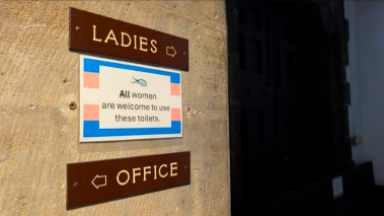
The debate surrounding ‘trans-inclusive’ toilets at Sunderland Minster has brought to light the differing perspectives within the Church of England. The issue has sparked discussion after a sign was displayed inviting all women, including transgender women, to use the women’s toilets at the church.
The story first gained attention when The Telegraph reported it on May 28, followed by coverage in Church Times. Canon Clare MacLaren, Provost of Sunderland Minster, defended the decision, asserting that transgender individuals deserve the same privacy and safety as cisgender people.
The sign, stating “All women are welcome to use these toilets”, was shared on Facebook, later removed, and was described as a challenge to the Supreme Court’s stance on the definition of sex. This ruling had previously led the Equality and Human Rights Commission (EHRC) to revise its guidelines, advocating for the use of facilities based on biological sex, which is now under parliamentary review.
Canon MacLaren mentioned the removal of the sign was to protect volunteers from potential abuse. The sign included trans flag colors, and the Facebook post suggested those uncomfortable could ask for clergy or volunteer assistance.
Criticism of the new EHRC guidelines has come from Bishop of Manchester, David Walker, who expressed concerns in the House of Lords about the EHRC’s interim advice, which he felt caused unnecessary alarm. Walker emphasized that the church’s role is to provide an inclusive environment for all, referencing the General Synod’s 2017 vote supporting transgender inclusion.
Walker remarked, “Nobody, trans or otherwise, wants to be challenged when accessing a public lavatory, just because some other person chooses to suspect that their sex fails to match the sign on the door.” He argued that organizations should not fear legal repercussions for supporting inclusivity. Walker also emphasized the church’s commitment to welcoming transgender individuals.
However, it emerged that Canon MacLaren did not consult Sunderland Minster’s governing body, the Parochial Church Council (PCC), about the sign. According to Anglican Ink, the PCC did not support the sign and stated it would not have approved it if consulted. They emphasized the importance of adhering to the law.
The PCC’s statement read: “The governing body of Sunderland Minster (the PCC) met on Monday 1 June to discuss the recent post on our social media account challenging the Supreme Court’s ruling on the definition of sex. The post would not have been supported by the trustees if we had been consulted in advance, nor do we support it retrospectively. It is important that we at Sunderland Minster respect the rule of law.”
This situation highlights the complexities and challenges faced by religious institutions in navigating legal, ethical, and societal expectations, reflecting a broader discourse on inclusivity within the Church of England.
This article was originally written by www.christiantoday.com