Church of England’s Safeguarding Failures: Survivor’s Ordeal and Calls for Reform
A comprehensive review has unveiled systemic failures by the Church of England in addressing allegations of abuse, leading to the re-traumatization of a survivor. The investigation, led by Kevin Crompton under the commission of the safeguarding charity Thirtyone:eight, scrutinized the church’s handling of reports made by Jane Chevous, a prominent advocate for abuse survivors.
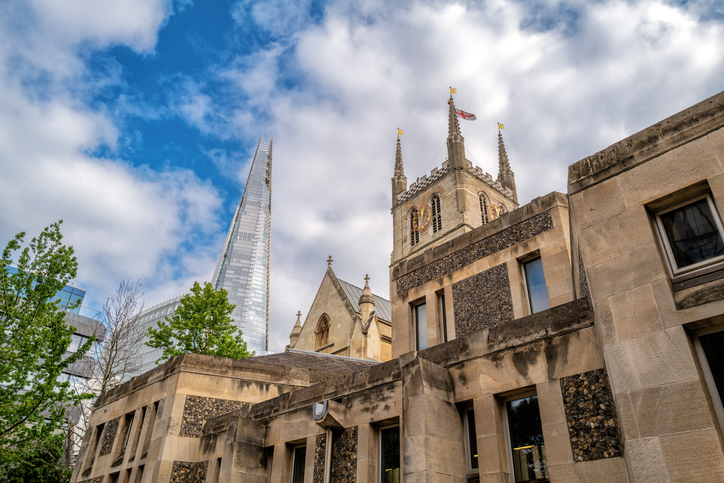
Chevous, who has chosen to reveal her identity, reported the misconduct to the Diocese of Southwark back in 2001. Her allegations, which pertained to events between 1979 and 1992 involving two former priests, were met with inadequate and unsympathetic responses from church officials.
The investigation found that the Church’s processes at the time were not aligned with survivor-centred or trauma-informed practices. Despite advances in safeguarding over the years, significant reforms are urged to better support survivors.
The review highlights the bishops’ lack of appropriate response, noting, “There was considerable support for the alleged perpetrator, but a lack of any compassion towards TT.” This lack of empathy was evident in the correspondence where Chevous was labeled with derogatory terms such as “gold-digger” and “unstable.”
Even though formal adult safeguarding policies were absent in 2001, the report emphasized that clergy should still offer compassionate responses to abuse disclosures. The Church’s inadequate handling of the situation had dire effects on Chevous, contributing to severe mental health issues and a loss of faith.
Another layer of scrutiny was applied to a National Safeguarding Team (NST) investigation conducted from 2019 to 2022. Although individual staff efforts were praised, systemic issues such as poor communication and process delays were noted.
Chevous had hoped for acknowledgment, accountability, and restorative justice, but the NST’s focus remained on current risk management, neglecting the survivors’ needs. The review advocates for a separate pathway to enable survivors to seek justice and recognition alongside safeguarding investigations.
Further criticisms included the lack of thoroughness in investigations and missed opportunities for restorative approaches. However, the Bishops of Oxford and Southwark were recognized for their additional efforts to address the issue effectively.
The report calls for an independent body to oversee safeguarding practices, distancing this oversight from senior church leaders, yet ensuring diocesan bishops sustain healthy safeguarding environments.
Jane Chevous expressed her distress over the Church’s response, stating, “The abuse itself caused profound harm, but the Church’s response has been re-traumatising.” She emphasized the need for the Church to prioritize compassion and accountability over procedural compliance.
The Church of England’s Lead Safeguarding Bishop, Bishop Robert Springett, and National Director of Safeguarding, Alexander Kubeyinje, acknowledged the issues raised by the review, expressing deep apologies for the impact on Chevous’s life. They emphasized the Church’s commitment to learning and improving its response to survivors.
Anyone affected by the issues raised in this article can contact Thirtyone:eight’s helpline or the Church of England’s National Safeguarding Team.
This article was originally written by www.christiantoday.com